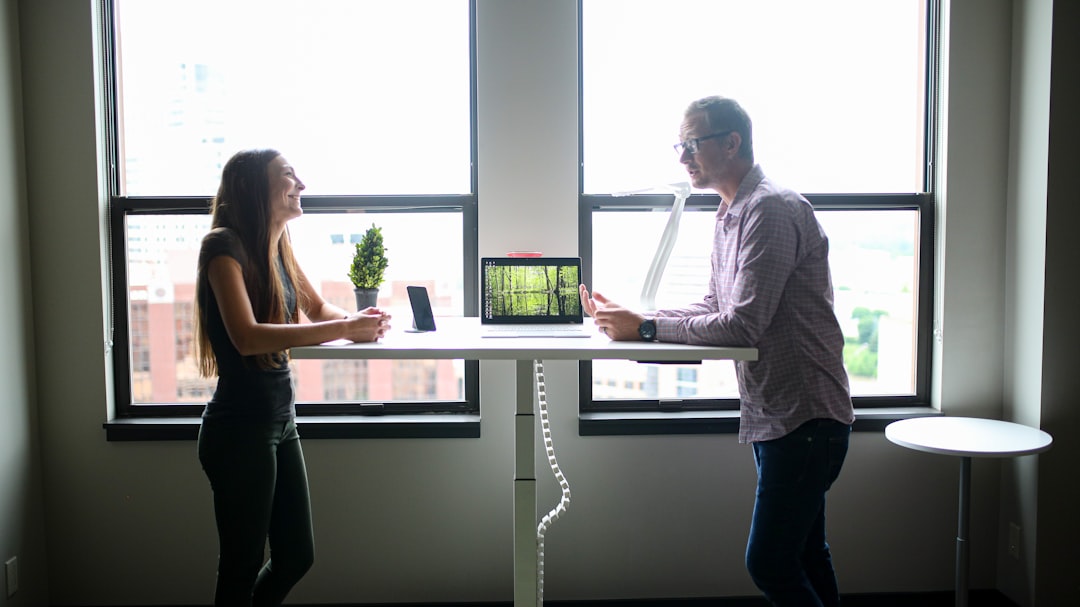
Are you passionate about sustainability and looking to launch a career that makes a tangible difference, all from the comfort of your home? The intersection of remote work and the green building revolution is creating unprecedented opportunities for newcomers. This guide dives deep into the top remote green building consultant jobs for beginners, detailing the roles, required skills, and actionable steps to land your first position in this dynamic and purpose-driven field.
📚 Table of Contents
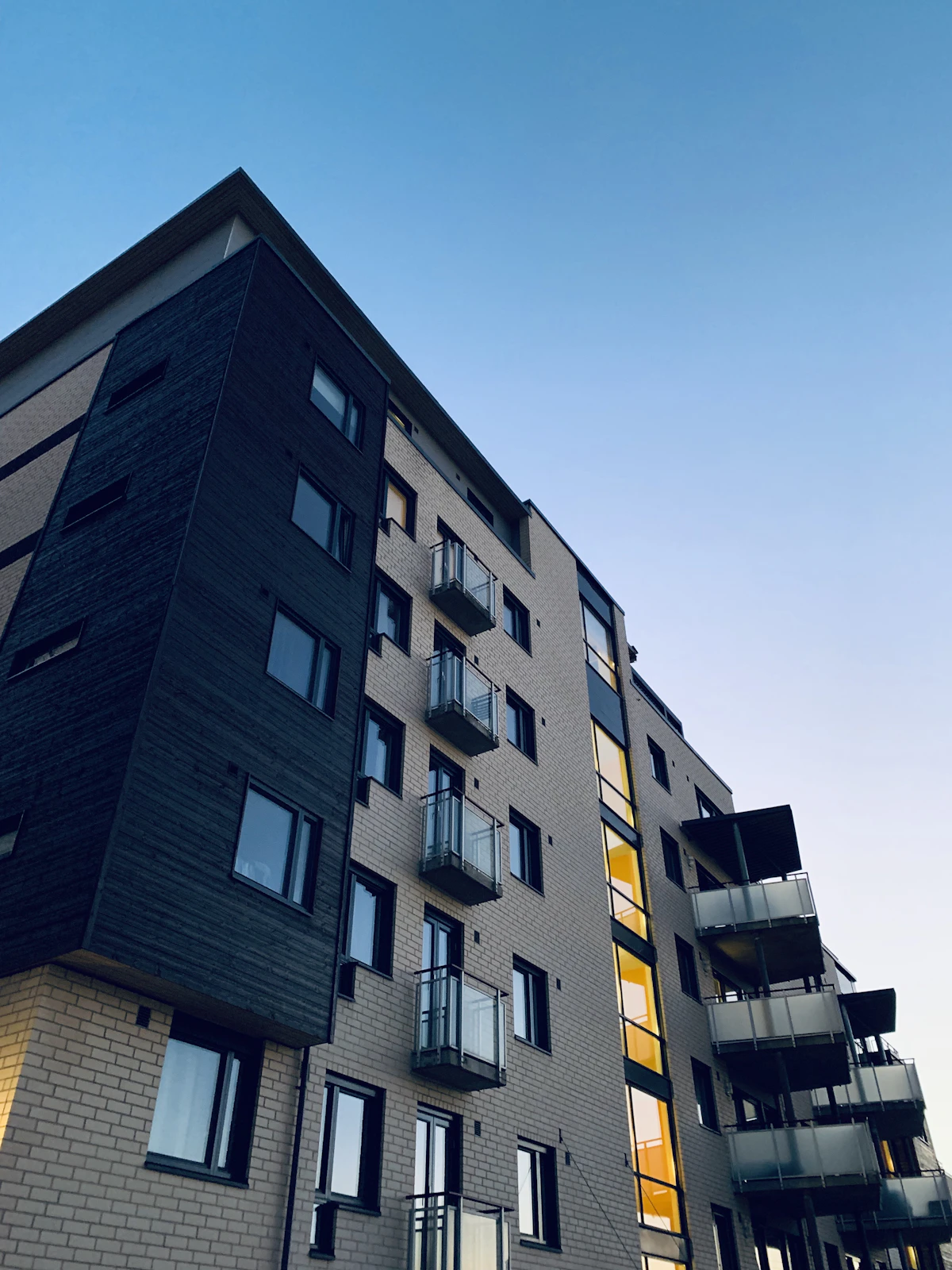
What is a Remote Green Building Consultant?
A green building consultant is a professional who advises on the design, construction, and operation of buildings to minimize environmental impact and maximize human health and efficiency. In a remote capacity, this expertise is delivered virtually. Consultants analyze plans via digital platforms, conduct virtual site assessments using drone footage or contractor photos, perform energy modeling with specialized software, and guide clients through sustainability certification processes like LEED, WELL, or Passive House—all from a home office. The remote aspect expands the job market globally, allowing beginners to work with firms, developers, or government agencies far beyond their geographic location. The core mission remains: to integrate principles of energy efficiency, water conservation, material selection, and indoor environmental quality into the built environment.
Essential Skills for Beginners
Breaking into remote green building consulting requires a blend of technical knowledge and soft skills tailored for virtual collaboration. First, a foundational understanding of building science is non-negotiable. This includes concepts like thermal bridging, air sealing, HVAC efficiency, and renewable energy systems. You don’t need to be an engineer, but you must grasp how buildings work as a system. Second, familiarity with major green building rating systems is crucial. As a beginner, aiming for an entry-level credential like the LEED Green Associate is a powerful starting point. It demonstrates core knowledge to employers.
On the technical side, proficiency with key software is a must. This includes energy modeling tools like EnergyPlus or SketchUp with plug-ins, and building information modeling (BIM) software such as Revit for understanding digital plans. For remote work, mastery of communication and project management platforms like Zoom, Microsoft Teams, Asana, or Trello is essential to stay connected and organized. Analytical skills are paramount for interpreting energy data or lifecycle assessments. Finally, exceptional written and verbal communication skills are critical because you must articulate complex sustainability concepts clearly and persuasively to clients you may never meet in person, building trust and credibility through a screen.
Top Remote Green Building Consultant Jobs for Beginners
The field offers several entry-point roles that are conducive to remote work. Here is a detailed analysis of the top positions for those starting their careers.
Sustainability Analyst / Green Certification Specialist: This is arguably the most accessible entry-level role. You would support senior consultants in preparing documentation for certifications like LEED, BREEAM, or Living Building Challenge. Tasks include managing spreadsheets of material data, researching sustainable products, coordinating with project teams to collect necessary information, and drafting credit documentation. Your remote work involves meticulous online research, digital file management, and frequent virtual meetings with project teams. It’s a fantastic way to learn the intricacies of rating systems from the ground up.
Energy Modeling Assistant: If you have an aptitude for data and software, this technical role is ideal. You would work under a senior modeler, inputting building parameters (geometry, materials, HVAC systems) into energy simulation software to predict a building’s energy use. You’d help run different scenarios to compare the efficiency of various design options—like different window glazing or insulation types. This role is almost entirely computer-based, making it perfectly suited for remote work. It provides deep, hands-on understanding of how design decisions directly impact energy performance.
Green Building Research & Content Coordinator: Many consulting firms, non-profits, and product manufacturers need individuals to research the latest sustainable technologies, codes, and policies. In this role, you might write reports, create educational blog posts or web content, develop presentation materials for consultants, or maintain databases of green products. This role leverages strong research and writing skills and is a core support function that can be performed effectively from anywhere, offering a great overview of the industry’s cutting edge.
Virtual Commissioning Agent Support: Building commissioning ensures that all building systems are designed, installed, and calibrated to operate as intended. As a remote support agent, you might review submittals and operation manuals digitally, track issue logs in cloud-based software, and participate in virtual testing and verification meetings with on-site technicians. It’s a more technical role that provides insight into the crucial final stages of a building’s delivery.
Residential Green Rater / Verifier (with local travel): Some roles are hybrid remote. For programs like ENERGY STAR for Homes or Passive House, you might manage paperwork, client communication, and plan review from home but conduct required site inspections locally. This can be a great fit if you want a mix of desk work and field work within a defined region.
How to Land Your First Remote Green Building Job
Securing that first role requires a targeted strategy. Begin by acquiring the right credentials. The LEED Green Associate is the industry-standard entry-level certification. Complement this with free online courses in building science basics from organizations like the Building Performance Institute (BPI) or Passive House Institute. Next, tailor your resume for sustainability and remote work. Highlight any relevant coursework, projects, or volunteer experience. Use keywords from job descriptions like “sustainability analysis,” “energy modeling,” “LEED documentation,” and “virtual collaboration.” Emphasize soft skills like self-motivation, time management, and written communication—traits vital for remote success.
Leverage online job platforms strategically. Beyond general sites like LinkedIn and Indeed, target niche boards such as the U.S. Green Building Council (USGBC) Career Center, BuildingGreen, and Workable’s sustainability categories. Set alerts for keywords like “junior sustainability consultant,” “green building analyst,” and “remote.” When applying, craft personalized cover letters that express not only your knowledge but also your understanding of how to be an effective remote team member. Finally, prepare for virtual interviews by ensuring you have a professional, quiet background and reliable technology. Be ready to discuss how you manage your time, communicate asynchronously, and stay disciplined without direct supervision.
Building Your Remote Portfolio & Network
As a beginner, you may not have client work to showcase. Build a portfolio through academic projects, personal analyses, or pro-bono work for local non-profits. For example, conduct a mock energy audit of your own home using free tools, write a detailed case study on a notable green building, or create a sample LEED scorecard for a hypothetical project. Display these professionally on a personal website or a platform like LinkedIn. Networking is equally critical in a remote industry. Join virtual chapters of the USGBC, Passive House Network, or the International Living Future Institute. Participate actively in their webinars and online forums. Connect with professionals on LinkedIn with thoughtful messages—ask for an “informational interview” to learn about their career path. The green building community is generally collaborative; many professionals are willing to offer advice to enthusiastic newcomers, which can lead to referrals or job leads.
Conclusion
The path to becoming a remote green building consultant is rich with opportunity for beginners willing to invest in the right knowledge and skills. By targeting specific entry-level roles like Sustainability Analyst or Energy Modeling Assistant, obtaining foundational certifications, and strategically building a digital presence and network, you can position yourself at the forefront of a sustainable future. The demand for expertise in creating healthier, more efficient buildings is only growing, and the remote model opens this rewarding career to a global talent pool. Your journey to merging professional growth with environmental impact starts with that first step of focused preparation and connection.
Leave a Reply