
In the dynamic world of financial technology, where innovation cycles are rapid and competition is fierce, the ability to manage product marketing from anywhere has become a superpower. How can FinTech marketing leaders orchestrate global campaigns, align distributed teams, and drive user growth without the traditional office hub? The answer lies in a strategic arsenal of digital tools designed for the unique demands of remote FinTech product marketing management. This discipline requires more than just communication apps; it demands platforms that handle compliance, data security, complex project timelines, and sophisticated customer journey analytics—all while fostering collaboration across time zones.
📚 Table of Contents
- ✅ 1. The Centralized Command Hub: Project & Product Management
- ✅ 2. The Secure Collaboration Nexus: Communication & Documentation
- ✅ 3. The Data-Driven Insight Engine: Analytics & User Behavior
- ✅ 4. The Creative Production Studio: Design & Asset Management
- ✅ 5. The Automated Growth Orchestrator: Marketing Automation & CRM
- ✅ Conclusion
The Centralized Command Hub: Project & Product Management
For remote FinTech product marketing, chaos is the enemy. With teams scattered across regions—developers in one country, compliance officers in another, and content creators elsewhere—a single source of truth is non-negotiable. This is where robust project and product management tools become the central command hub. Platforms like Jira or ClickUp offer unparalleled depth for managing the intricate lifecycle of a FinTech product launch. Imagine coordinating a major feature update for a mobile trading app. The marketing manager can create a master epic that breaks down into tasks: regulatory review copy, create explainer videos, draft App Store listings, and schedule social media announcements. Each task is assigned, tagged with deadlines, and linked to dependencies. The remote team in London can see the progress of the design assets from the team in Singapore in real-time, while the legal team in New York can flag a compliance task as completed, automatically triggering the next step for the content team. This tool eliminates the endless “status update” meetings and email threads, providing visual roadmaps (like Gantt charts or Kanban boards) that give every remote stakeholder, from the CMO to the freelance copywriter, immediate clarity on priorities, progress, and bottlenecks. It transforms remote FinTech product marketing management from a reactive scramble into a proactive, orchestrated campaign.
The Secure Collaboration Nexus: Communication & Documentation
While Slack and Microsoft Teams are ubiquitous, their application in a remote FinTech context requires stringent governance and integration. These platforms are the digital office hallway, but for FinTech, they must be a secure vault. A dedicated channel for a new cryptocurrency wallet launch, for example, can integrate feeds from the GitHub repository, alerts from the monitoring tool Datadog, and shared drafts from Google Workspace—all within a single, searchable thread. However, the critical differentiator is documentation. A tool like Confluence or Notion becomes the immutable marketing playbook and knowledge base. Here, you don’t just chat about the target audience for a SME banking product; you build and maintain a detailed buyer persona document that includes regulated messaging frameworks, approved risk disclosures, and past campaign performance data. When a new remote marketer joins the team in Berlin, they have immediate, self-service access to the complete brand voice guidelines, compliance checklists for social media promotions, and archives of previous product launch post-mortems. This nexus ensures that tribal knowledge is captured, compliance protocols are consistently followed, and asynchronous collaboration is seamless. It turns fragmented communication into structured, actionable, and auditable knowledge, which is the bedrock of efficient remote FinTech product marketing management.
The Data-Driven Insight Engine: Analytics & User Behavior
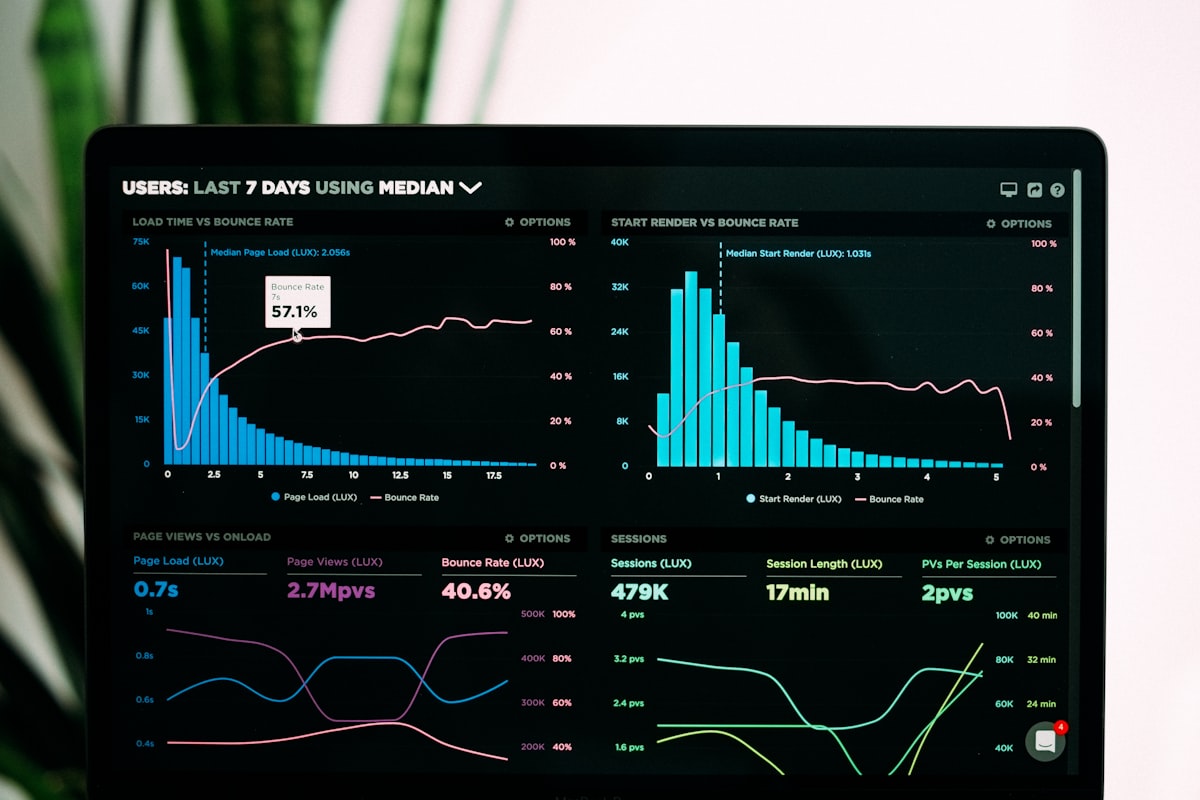
FinTech marketing decisions cannot be based on gut feeling; they must be driven by cold, hard data. Remote managers cannot walk over to an analyst’s desk to look at a chart. Therefore, a comprehensive analytics stack that is accessible and interpretable from anywhere is vital. This engine has two core components: product analytics and marketing attribution. A tool like Mixpanel or Amplitude allows the remote marketing team to dive deep into user behavior within the app. They can track, for instance, the funnel for a new account funding feature: how many users who saw the in-app announcement actually clicked, initiated a deposit, and completed it. They can segment this data by user cohort, region, or device type. Simultaneously, a platform like Tableau or Looker, connected to the data warehouse, can provide a holistic dashboard showing how marketing campaigns (tracked in Google Analytics 4 and linked via UTM parameters) influence these in-app actions. The remote marketing manager in Lisbon can see, in a single dashboard, that the LinkedIn ad campaign targeting CFOs is driving high-quality sign-ups but that those users are dropping off at the business verification step—a crucial insight that can be instantly shared with the product and compliance teams via the collaboration nexus. This constant, data-informed feedback loop is what allows for agile, remote optimization of marketing strategies.
The Creative Production Studio: Design & Asset Management
FinTech marketing relies heavily on visual trust—clean UI mockups, informative infographics, professional video content, and compliant branded materials. Managing this creative process remotely presents unique challenges: version control, brand consistency, and feedback loops. A cloud-based design platform like Figma is transformative. It acts as a live, collaborative canvas where a designer in Ukraine, a copywriter in Canada, and a compliance officer in Australia can all work on the same ad banner simultaneously. They can leave comments pinned to specific elements, iterate on designs in real-time, and create interactive prototypes of landing pages to test user flow before development begins. Once assets are approved, they flow into a Digital Asset Management (DAM) system like Bynder or Brandfolder. This becomes the single, searchable library for all marketing assets. A social media manager in Brazil can quickly find the latest, compliance-approved logo variation for a dark background, while a partner manager in Japan can generate a tailored one-sheet using pre-approved templates and locked brand colors. This studio environment ensures that the speed and creativity of marketing are not hampered by remote work; instead, it creates a more transparent, efficient, and scalable creative pipeline.
The Automated Growth Orchestrator: Marketing Automation & CRM
The final piece of the remote management puzzle is automation. In FinTech, the customer journey is often long, considered, and multi-touch. Nurturing a lead from a downloaded whitepaper on blockchain security to becoming an active user of your enterprise API requires precise, timely, and personalized communication. A powerful marketing automation and CRM platform like HubSpot or Salesforce Marketing Cloud acts as the orchestrator. It allows remote marketers to build sophisticated, automated email sequences (drip campaigns) that are triggered by user behavior. For example, if a user attends a webinar on “The Future of Digital Wallets,” they can be automatically enrolled in a nurture stream that delivers case studies, a sandbox environment invitation, and finally, a calendar link for a sales demo. The remote team can monitor the performance of these workflows from anywhere, A/B test subject lines, and score leads based on engagement. Crucially, this tool integrates with the data insight engine and the command hub, creating a closed-loop system. Campaign performance data feeds back into planning, and sales feedback from the CRM informs future content creation. This automation liberates remote teams from manual, repetitive tasks and allows them to focus on strategy and creative optimization, ensuring that no lead falls through the cracks due to geographical dispersion.
Conclusion
Mastering remote FinTech product marketing management is not about finding a single magic bullet but about integrating a strategic toolkit that addresses the sector’s unique complexities. From the centralized command of project management tools to the secure collaboration hubs, the deep insights from analytics engines, the streamlined creativity of cloud design studios, and the scalable precision of marketing automation, each tool plays a critical role. Together, they create a seamless digital ecosystem that empowers distributed teams to operate with alignment, agility, and data-driven confidence. By investing in and expertly weaving together these five categories of tools, FinTech companies can not only adapt to a remote or hybrid model but can actually unlock new levels of efficiency, innovation, and global market reach, turning the challenge of distance into a competitive advantage.
Leave a Reply