
📚 Table of Contents
- ✅ The AI Co-Pilot Becomes Standard
- ✅ The Rise of Hyper-Specialized Niche Platforms
- ✅ Blockchain for Verifiable Credentials and Smart Contracts
- ✅ Asynchronous Collaboration as the Default
- ✅ The Shift to Subscription and Retainer Models
- ✅ Decentralized Autonomous Organizations (DAOs) for Freelance Work
- ✅ Embedded Talent and “Work-as-a-Service”
- ✅ The Growing Premium on Soft Skills
- ✅ Virtual Reality “Office Spaces” for Freelance Teams
- ✅ Data Portability and Freelancer-Led Reputation Systems
- ✅ Sustainability and Ethical Sourcing of Freelance Talent
- ✅ The Emergence of Localized and Regional Powerhouses
- ✅ Integrated Upskilling and Micro-Credentialing
- ✅ Holistic Well-being and Financial Support Systems
- ✅ Voice-Activated and No-Interface Job Matching
- ✅ Conclusion
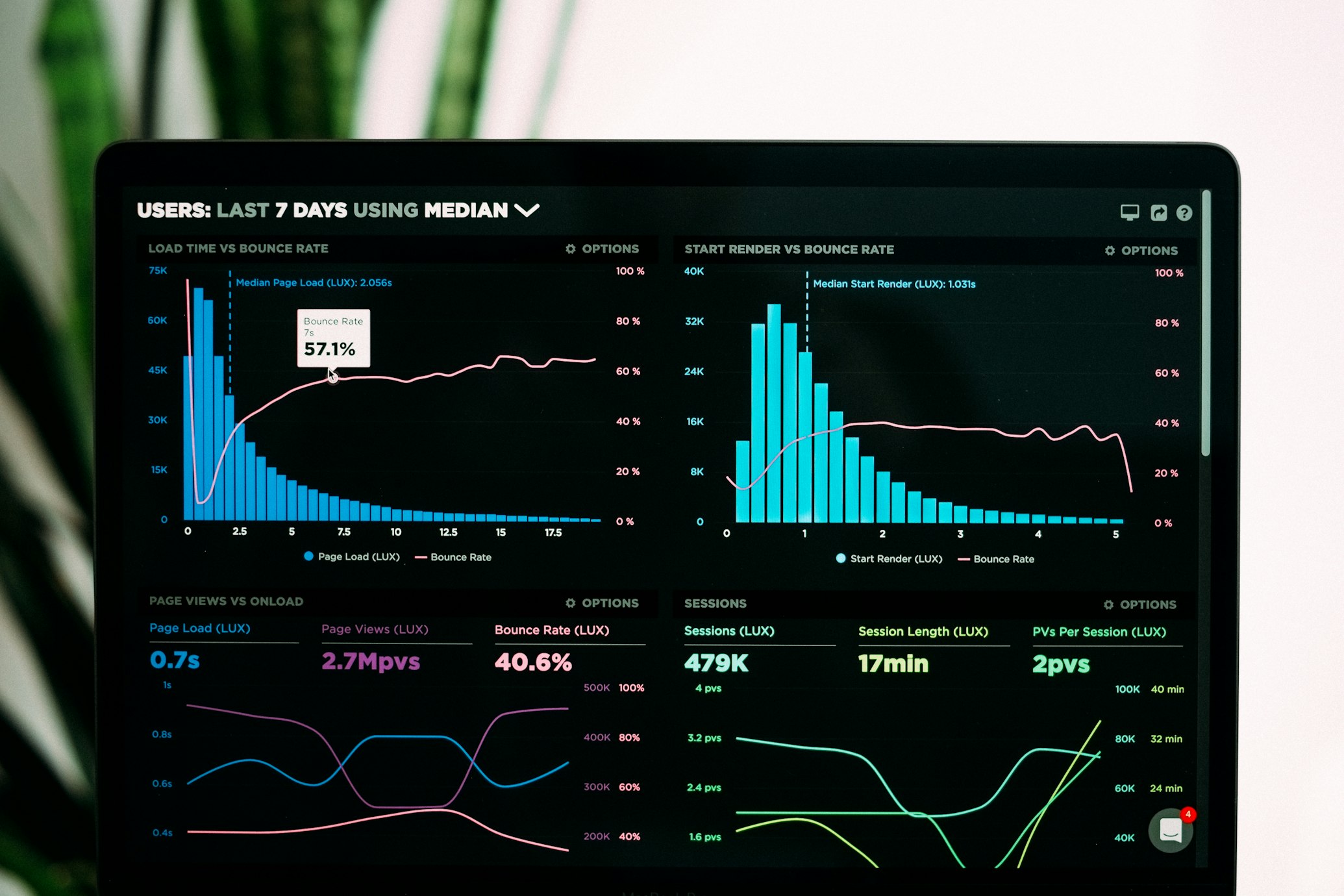
The freelance economy is not just growing; it’s undergoing a radical transformation. As we look towards 2025, the very fabric of how work is sourced, managed, and delivered is being rewoven by technological advancements and shifting global work paradigms. The question is no longer if you will engage with freelancing platforms, but how you will adapt to the powerful new trends shaping them. For freelancers and clients alike, staying ahead means understanding the forces that will define the most successful platforms of tomorrow. This deep dive explores the key trends that are set to revolutionize the freelancing landscape in 2025.
The AI Co-Pilot Becomes Standard
Artificial Intelligence is evolving from a mere matching algorithm to an indispensable co-pilot for both freelancers and clients. In 2025, we will see AI deeply embedded into the workflow of freelancing platforms. For freelancers, AI tools will automate administrative burdens like proposal writing, invoicing, and time tracking. Imagine an AI that analyzes a job posting and generates a tailored, compelling cover letter in seconds, or one that automatically tracks billable hours by monitoring active application windows. For clients, AI will move beyond candidate screening to predictive project management. Platforms will offer AI agents that can forecast project timelines, identify potential bottlenecks by analyzing past similar projects, and even suggest the optimal mix of freelance talent for a complex, multi-disciplinary task. This trend will elevate the role of human creativity and strategic thinking, as routine tasks are handled by intelligent assistants.
The Rise of Hyper-Specialized Niche Platforms
The era of the one-size-fits-all mega-platform is being challenged by the rise of hyper-specialized marketplaces. While general platforms will remain dominant, 2025 will see a proliferation of sites dedicated to incredibly specific skills and industries. Think beyond “design” or “development.” We’re talking about platforms exclusively for Figma-to-React developers, biotech patent writers, or Unreal Engine 5 environment artists. These niche platforms offer superior curation, higher-quality community standards, and a shared language that reduces friction. Clients benefit from access to a pre-vetted pool of experts who truly understand their domain-specific challenges. For freelancers, these platforms eliminate the noise of competing with generalists, allowing them to command premium rates for their deep expertise.
Blockchain for Verifiable Credentials and Smart Contracts
Trust and verification are the bedrock of freelance work, and blockchain technology is poised to solve these challenges in a decentralized manner. In 2025, expect to see more platforms integrating blockchain not for cryptocurrency payments, but for creating immutable, verifiable records of a freelancer’s work history, credentials, and client testimonials. This “self-sovereign identity” for professionals means a freelancer can own their reputation data and carry it across any platform, breaking the walled-garden model. Furthermore, smart contracts will become more sophisticated, automatically releasing payments upon the completion of pre-defined, verifiable milestones. This reduces payment disputes and administrative overhead, creating a more seamless and trustless environment for all parties.
Asynchronous Collaboration as the Default
The global and distributed nature of freelance work makes synchronous communication a significant bottleneck. The trend in 2025 will be a full-throated embrace of asynchronous collaboration tools built directly into freelancing platforms. This goes beyond simple messaging. We’re looking at integrated platforms that feature advanced project management boards, Loom-style video updates, centralized feedback and annotation tools, and documentation hubs that serve as a single source of truth. This shift empowers global teams to contribute effectively regardless of their time zone, focusing on output and clarity of communication rather than real-time availability. It demands a higher degree of written communication skills and project documentation but ultimately leads to more thoughtful and productive workflows.
The Shift to Subscription and Retainer Models
The project-based gig is giving way to the ongoing, strategic partnership. Both freelancers and clients are recognizing the immense value of long-term relationships. In response, freelancing platforms are heavily promoting subscription and retainer models. Clients can “subscribe” to a freelancer’s time for a set number of hours per month, guaranteeing access to their preferred talent and reducing the constant cycle of hiring and onboarding. For freelancers, this model provides much-needed income stability and allows for deeper immersion into a client’s business. Platforms are facilitating this by building features for recurring contracts, automated monthly billing, and capacity management tools that help freelancers balance multiple retainer clients.
Decentralized Autonomous Organizations (DAOs) for Freelance Work
At the cutting edge of freelancing trends is the emergence of Decentralized Autonomous Organizations (DAOs). These blockchain-based communities are beginning to function as de facto freelancing platforms. In a DAO, freelancers (often called “contributors”) don’t apply for jobs; they propose and vote on projects, work together in guilds, and are compensated via a transparent treasury, often in cryptocurrency. This represents a fundamental shift from a platform-as-intermediary model to a community-owned cooperative model. While still nascent, by 2025 we will see established DAOs for creative work, software development, and research, attracting top talent with the promise of ownership, governance rights, and a more equitable distribution of value.
Embedded Talent and “Work-as-a-Service”
Companies are moving beyond viewing freelancers as temporary help and are starting to see them as a flexible, scalable extension of their core team. This has given rise to the “Embedded Talent” or “Work-as-a-Service” (WaaS) model. Specialized platforms are curating squads of freelancers—for example, a full-stack development pod or a content marketing team—that a company can integrate directly into their existing workflows and tools like Slack, Jira, or Notion. The platform handles the recruitment, management, and HR logistics, while the client gets a seamless, dedicated team that operates with the cohesion of in-house employees but the flexibility of freelancers.
The Growing Premium on Soft Skills
As AI and automation handle more technical and repetitive tasks, the human skills that cannot be easily replicated are becoming the key differentiator. On freelancing platforms, there will be a marked increase in the demand for and valuation of soft skills. Communication, emotional intelligence, adaptability, problem-solving, and client management are becoming critical factors in a freelancer’s success and ability to command higher rates. Platforms are responding by developing better ways to showcase and verify these skills, through more nuanced rating systems, client testimonials that highlight collaboration, and even certified assessments for communication and project management.
Virtual Reality “Office Spaces” for Freelance Teams
While remote work is the norm, the need for serendipitous connection and immersive collaboration remains. In 2025, we will see the early adoption of Virtual Reality (VR) spaces by freelancing platforms and the teams that use them. Imagine putting on a VR headset to join a project kick-off in a virtual conference room with 3D models of the product you’re building, or having a virtual “water cooler” space to network with other freelancers on the platform. These persistent virtual offices can combat the isolation of remote work and enable a new level of collaborative creativity that video calls cannot match, particularly for fields like design, architecture, and engineering.
Data Portability and Freelancer-Led Reputation Systems
Freelancers are demanding control over their professional data. The trend of data portability will gain significant momentum, challenging the traditional platform model where your five-star rating is locked inside a single website. New protocols and services will emerge that allow freelancers to build a verifiable, portable reputation profile. This profile, owned and controlled by the freelancer, would aggregate ratings, project history, and skill endorsements from multiple platforms and direct client work. This empowers the freelancer, reduces their dependency on any single platform, and provides clients with a more holistic and trustworthy view of a professional’s career.
Sustainability and Ethical Sourcing of Freelance Talent
Corporate social responsibility is extending into the freelance supply chain. Clients, particularly larger enterprises, are increasingly concerned with the ethical sourcing of their contingent labor. This means they will favor platforms that demonstrably ensure fair pay, safe working conditions, and ethical treatment of freelancers. Platforms may introduce “Fair Trade” style certifications, transparent payment practices, and resources to prevent freelancer burnout. This trend aligns with the values of a younger workforce and allows companies to meet their broader ESG (Environmental, Social, and Governance) goals.
The Emergence of Localized and Regional Powerhouses
While freelancing is global, there is a growing demand for local context, language, and cultural understanding. This is fueling the growth of localized and regional freelancing platforms that dominate specific geographic areas. These platforms may offer services in local languages, cater to specific regional business practices and payment methods, and build communities around local networking events. They successfully compete with global giants by offering a level of cultural nuance and localized support that the larger players cannot, connecting businesses with freelancers who have an innate understanding of the local market.
Integrated Upskilling and Micro-Credentialing
The half-life of skills is shrinking rapidly. To remain relevant, freelancers must engage in continuous learning. Forward-thinking platforms are no longer just marketplaces; they are becoming learning ecosystems. They are integrating upskilling directly into their offerings through partnerships with online course providers, offering platform-specific certifications, and hosting live workshops. These micro-credentials, often recorded on the blockchain for verifiability, allow freelancers to quickly signal new competencies to potential clients, closing the skills gap faster and making the platform itself more valuable to its users.
Holistic Well-being and Financial Support Systems
The platform of the future understands that a successful freelancer is a supported freelancer. Beyond connecting work, platforms are beginning to offer holistic support systems to address the traditional pain points of freelance life. This includes access to mental health resources, financial planning tools, and simplified access to health insurance and retirement plans tailored for the self-employed. Some platforms may even offer cash-flow management tools, like early payment on approved invoices, to help freelancers navigate irregular income. This focus on well-being helps reduce churn and builds a more loyal, resilient, and productive community of professionals.
Voice-Activated and No-Interface Job Matching
The user interface of freelancing platforms is set for a revolution. With the maturation of AI and natural language processing, we will see the rise of voice-activated and even “no-interface” job matching. Instead of manually filtering through search results, a client could simply say, “Find me a UX designer in Europe with experience in fintech apps and availability starting next week.” The AI would understand the context, query the database, and present a curated shortlist. For freelancers, they could set up voice-activated alerts for their ideal projects. This makes the platform more intuitive and efficient, reducing the time-to-hire and time-to-get-hired significantly.
Conclusion
The freelancing platforms of 2025 will be more intelligent, specialized, and human-centric than ever before. They are evolving from simple transactional marketplaces into comprehensive ecosystems that support the entire freelance journey—from learning and verification to collaboration and well-being. Success for freelancers and clients will hinge on their ability to adapt to these trends, leveraging new tools like AI co-pilots and blockchain credentials while emphasizing the uniquely human skills of communication and strategic thinking. The future of work is flexible, distributed, and driven by technology, and these platforms are the engines making it all possible.
💡 Click here for new business ideas
Leave a Reply