
In an era defined by climate urgency and digital transformation, a critical question emerges for industries managing vast physical assets: How can we ensure the longevity and efficiency of infrastructure, energy systems, and equipment while minimizing our environmental footprint, all without being physically tethered to the site? The answer lies at the powerful intersection of technology, strategy, and environmental stewardship—a discipline known as remote sustainable asset management. This comprehensive guide delves into the core principles, technologies, and strategies that are reshaping how organizations maintain, monitor, and optimize their assets for a resilient and sustainable future.
📚 Table of Contents
- ✅ Defining the Future: What is Remote Sustainable Asset Management?
- ✅ The Core Pillars of a Remote Sustainable Strategy
- ✅ The Digital Toolbox: Key Technologies Enabling Remote Management
- ✅ From Theory to Practice: An Implementation Roadmap
- ✅ Navigating Challenges and Forging Solutions
- ✅ Future Horizons: The Evolving Landscape
- ✅ Conclusion
Defining the Future: What is Remote Sustainable Asset Management?
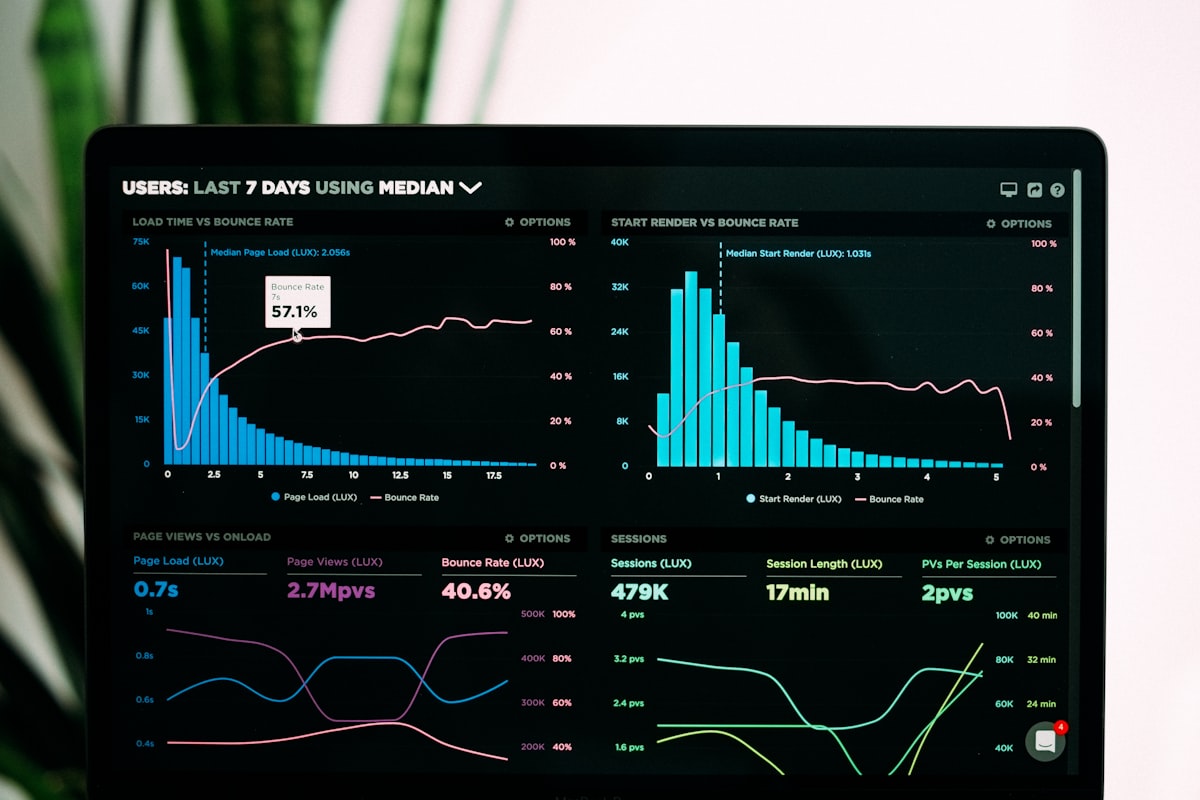
Remote sustainable asset management is a holistic operational philosophy that leverages digital technologies to monitor, analyze, maintain, and optimize the performance of physical assets—from wind turbines and manufacturing plants to building HVAC systems and transportation fleets—from a centralized, often off-site location. Its dual mandate is uncompromising: maximize asset lifespan and efficiency (the management part) while systematically reducing energy consumption, waste, and carbon emissions (the sustainability part). This approach moves beyond reactive, calendar-based maintenance to a predictive and prescriptive model. By integrating real-time data from IoT sensors, satellite imagery, and drones with advanced analytics and AI, managers can now “see” the health of an asset hundreds of miles away, diagnose issues before they cause failure, and optimize operations for minimal environmental impact. It transforms assets from cost centers into data-driven, value-generating components of a circular economy.
The Core Pillars of a Remote Sustainable Strategy
Building a robust framework for remote sustainable asset management requires a foundation built on several interdependent pillars. First is Data Acquisition and Integration. This involves deploying a network of sensors (vibration, thermal, acoustic, pressure) and utilizing remote inspection tools (drones with high-res cameras, LiDAR) to create a continuous, holistic data stream. This data must be aggregated into a single source of truth, often a cloud-based platform. The second pillar is Predictive and Prescriptive Analytics. Raw data is useless without insight. Machine learning algorithms analyze historical and real-time data to predict failures (predictive maintenance) and, more advancedly, recommend specific actions to prevent them or optimize for energy efficiency (prescriptive analytics). For instance, an algorithm might prescribe a specific adjustment to a pump’s speed to reduce energy draw by 15% while maintaining output.
The third pillar is Lifecycle Optimization and Circularity. True sustainability considers the entire asset lifecycle. Remote management tools track component wear, enabling proactive part replacement and refurbishment, thus extending service life and reducing waste. Digital twins—virtual replicas of physical assets—allow for simulating end-of-life scenarios and planning for disassembly, reuse, or recycling. The fourth pillar is Performance Benchmarking and ESG Reporting. Centralized dashboards provide clear KPIs on asset health, energy consumption, and emissions. This data is invaluable for transparent Environmental, Social, and Governance (ESG) reporting, demonstrating tangible progress towards sustainability goals to stakeholders and regulators.
The Digital Toolbox: Key Technologies Enabling Remote Management
The revolution in remote sustainable asset management is powered by a suite of converging technologies. The Internet of Things (IoT) is the nervous system, with connected sensors providing the vital signs of every asset. These sensors feed data into Cloud Computing platforms, which offer the scalable storage and processing power needed to handle massive datasets. Artificial Intelligence and Machine Learning serve as the brain, identifying complex patterns invisible to humans. For example, AI can analyze acoustic data from a gearbox to detect the faint signature of a bearing defect weeks before it leads to breakdown.
Digital Twins are perhaps the most transformative tool. They are dynamic, living models that mirror their physical counterparts in real-time. Engineers can run “what-if” scenarios on the digital twin—like testing the impact of a new operating schedule on energy use—without risking the actual asset. Drones and Remote Inspection Robotics act as the eyes and hands, accessing hazardous or hard-to-reach areas (e.g., inspecting blade tips on a wind turbine or inspecting pipeline spans over a river) without the carbon footprint and risk of manned missions. Finally, Augmented Reality (AR) supports remote assistance; a field technician wearing AR glasses can receive real-time guidance from an expert thousands of miles away, overlaying schematics and instructions onto the physical equipment, which reduces travel, accelerates repairs, and preserves institutional knowledge.
From Theory to Practice: An Implementation Roadmap
Transitioning to a remote sustainable asset management model is a strategic journey, not a simple software installation. Phase 1 involves a comprehensive Asset and Data Audit. Catalog all critical assets, assess their current condition, and evaluate existing data sources. Identify high-value, high-risk assets where remote management will deliver the quickest ROI and sustainability gain. Phase 2 is Technology Stack Selection and Piloting. Choose an IoT platform, analytics software, and visualization tools that are interoperable and scalable. Start with a pilot project on a single asset class or location to prove the concept, gather lessons, and build internal buy-in.
Phase 3 focuses on Integration and Workforce Transformation. Integrate new data streams with existing enterprise systems like CMMS (Computerized Maintenance Management Systems) and ERP. Crucially, invest in change management and upskilling. Maintenance technicians become data-savvy analysts, and managers become strategic decision-makers using dashboard insights. Phase 4 is Scale and Optimize. Expand the system across the asset portfolio. Continuously refine AI models with new data. Use the insights to drive capital planning—retiring inefficient assets, investing in more sustainable replacements, and designing new projects with digital twin and IoT capabilities from the outset.
Navigating Challenges and Forging Solutions
Despite its promise, implementing remote sustainable asset management is not without hurdles. Cybersecurity is paramount; a larger attack surface with countless IoT devices requires robust encryption, network segmentation, and continuous threat monitoring. Data Overload and Silos can paralyze organizations. The solution is a clear data strategy that defines what data is essential and ensures it flows into a unified platform. High Initial Investment in sensors, software, and skills can be a barrier. A strong business case must articulate the long-term savings from avoided downtime, reduced energy bills, lower travel costs, and extended asset life, alongside the value of meeting sustainability targets.
Organizational Resistance to new ways of working is common. Leadership must champion the change, demonstrating commitment and clearly communicating the benefits for both the company and employees’ roles. Finally, the Digital Divide in infrastructure, such as lack of reliable broadband in remote locations for asset sites, can be addressed with hybrid solutions using edge computing (processing data locally on the device) and satellite connectivity to ensure data transmission from even the most isolated assets.
Future Horizons: The Evolving Landscape
The future of remote sustainable asset management is one of increasing autonomy and intelligence. We are moving towards Autonomous Self-Healing Assets, where systems will not only predict a failure but also initiate a corrective action—like a smart grid rerouting power or a valve adjusting itself—with minimal human intervention. AI-Driven Sustainability Optimization will become more nuanced, balancing multiple variables (cost, energy use, carbon footprint, grid demand) in real-time to find the optimal operating point for any given moment. Furthermore, the rise of Blockchain could provide immutable, transparent records of an asset’s entire lifecycle—from material sourcing and manufacturing to maintenance history and final recycling—creating verifiable sustainability credentials and enabling new circular economy business models like asset-as-a-service.
Conclusion
Remote sustainable asset management is no longer a futuristic concept but a present-day imperative for resilient and responsible operations. It represents a fundamental shift from a break-fix mentality to a holistic, data-driven stewardship model. By harnessing the power of IoT, AI, and digital twins, organizations can achieve the elusive triple bottom line: reducing operational costs, enhancing asset reliability, and making substantial, measurable progress toward environmental sustainability goals. The journey requires strategic investment, technological integration, and cultural adaptation, but the destination—a world where our critical infrastructure is efficient, durable, and in harmony with the planet—is undoubtedly worth the effort.
Leave a Reply