
In today’s borderless business landscape, where competitors can emerge from anywhere on the globe, how can you stay ahead without ever leaving your desk? The answer lies in a powerful, modern discipline: remote competitive intelligence analysis. This isn’t just about glancing at a rival’s website; it’s a systematic, strategic process of gathering, analyzing, and applying insights about your competitive environment entirely through digital means. This guide will equip you with the frameworks, tools, and actionable strategies to transform scattered online data into a decisive competitive advantage.
📚 Table of Contents
- ✅ Laying the Foundation: What is Remote Competitive Intelligence?
- ✅ Building Your Remote CI Framework: The SCIP Model, Adapted
- ✅ The Digital Treasure Hunt: Key Sources for Remote Intelligence Gathering
- ✅ The Remote Analyst’s Toolkit: Essential Software and Platforms
- ✅ From Data to Insight: Advanced Analysis Techniques for the Remote Analyst
- ✅ Navigating the Gray Areas: Ethics and Legal Considerations in Remote CI
- ✅ Turning Intelligence into Action: Strategic Application and Reporting
- ✅ Conclusion
Laying the Foundation: What is Remote Competitive Intelligence?
Remote competitive intelligence analysis is the dedicated practice of monitoring and understanding your competitors’ strategies, strengths, weaknesses, and market movements using exclusively digital and publicly available sources. Unlike traditional corporate espionage, it is a legal and ethical function grounded in the systematic collection of information from the digital footprint every company leaves. The core objective is to mitigate risk, identify opportunities, and inform strategic decision-making. The “remote” aspect is crucial; it means you are not physically present at trade shows or conducting in-person interviews, but rather leveraging the vast ecosystem of the internet, from social media sentiment and job postings to patent filings and financial disclosures. This approach is not only cost-effective but also allows for continuous, real-time monitoring of a much broader competitive set than was previously possible.
Building Your Remote CI Framework: The SCIP Model, Adapted
To master remote competitive intelligence analysis, you need a structured framework. The Strategic and Competitive Intelligence Professionals (SCIP) cycle is an excellent starting point, adapted for the digital realm. It consists of four continuous phases: Planning & Direction, Collection, Analysis, and Dissemination. In the Planning & Direction phase, you define your Key Intelligence Topics (KITs). Are you concerned about a competitor’s pricing strategy, their entry into a new market, or their R&D focus? For example, a KIT could be: “What is Competitor X’s go-to-market strategy for their new AI-powered SaaS product?” This focus prevents you from drowning in irrelevant data. The Collection phase involves identifying the digital sources (which we’ll detail next) to answer your KITs. Analysis is where raw data becomes insight, using models like SWOT or Porter’s Five Forces. Finally, Dissemination involves packaging these insights into actionable reports for stakeholders, ensuring the intelligence drives decisions.
The Digital Treasure Hunt: Key Sources for Remote Intelligence Gathering
The internet is your primary field of operation. Effective remote competitive intelligence analysis requires knowing where to look. Primary sources include a competitor’s own digital properties: their website (analyze source code for tech stacks, track changes with tools like Visualping), blog, press releases, and investor relations pages (for SEC filings like 10-K and 10-Q). Their career page, especially on LinkedIn, is a goldmine; new job postings for “Director of Blockchain Solutions” can signal a strategic pivot long before any public announcement. Secondary sources are third-party commentaries and aggregations. These include industry news sites, analyst reports from Gartner or Forrester, customer reviews on G2 or Capterra, and social media conversations on Twitter and Reddit. Don’t overlook technical sources: patent databases (USPTO, Google Patents), domain registration data (Whois), and mobile app store updates can reveal innovation pipelines and expansion plans.
The Remote Analyst’s Toolkit: Essential Software and Platforms
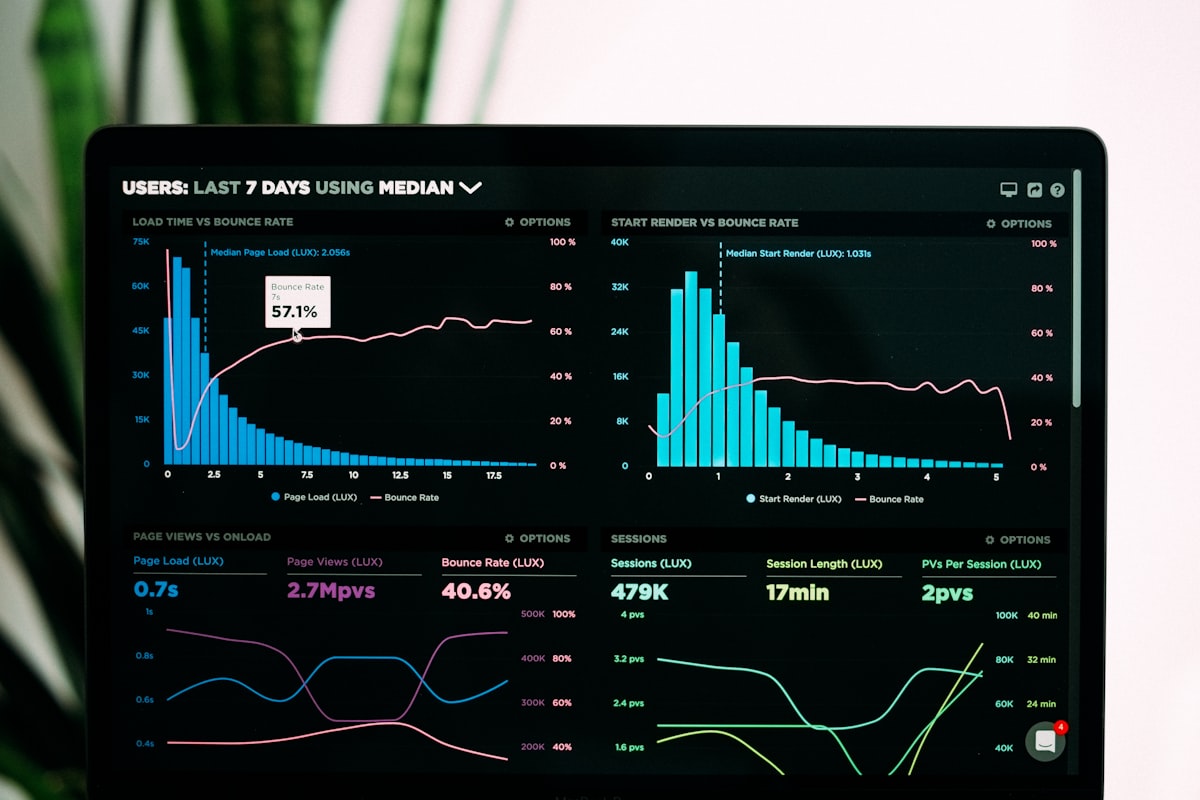
Manual monitoring is impossible at scale. The modern practitioner of remote competitive intelligence analysis leverages a suite of specialized tools. For web and news monitoring, platforms like Mention, Brandwatch, or Google Alerts track brand mentions across the web. For competitive website and digital marketing analysis, Similarweb and Semrush provide traffic insights, keyword strategies, and ad spend estimates. Social listening tools like Talkwalker or Hootsuite Insights analyze sentiment and trending topics. For financial and corporate data, Crunchbase (for startups) and Bloomberg Terminal or S&P Capital IQ (for public companies) are indispensable. Finally, collaboration and visualization tools like Airtable for organizing data and Power BI or Tableau for creating dynamic competitor dashboards are critical for synthesizing and presenting findings.
From Data to Insight: Advanced Analysis Techniques for the Remote Analyst
Collecting data is only half the battle. The true value in remote competitive intelligence analysis is derived from rigorous analysis. Start with a Competitive Profile Matrix, scoring competitors on key success factors like pricing, features, market share, and customer service. Employ a SWOT Analysis (Strengths, Weaknesses, Opportunities, Threats) to contextualize your findings relative to your own company. For strategic positioning, use Porter’s Five Forces to understand the industry’s competitive intensity and profitability. More advanced techniques include war-gaming, where you simulate competitor reactions to your strategic moves, and blindspot analysis, which involves asking, “What is our competitor assuming about the market that might be wrong?” This moves you from describing what a competitor is doing to predicting what they will do and how you should respond.
Navigating the Gray Areas: Ethics and Legal Considerations in Remote CI
Conducting remote competitive intelligence analysis responsibly is paramount. The golden rule is to only use publicly available information (PAI). This means you should never: misrepresent yourself to gain confidential information (e.g., posing as a student or potential client under false pretenses), hack or breach computer systems, bribe employees, or violate terms of service (e.g., scraping data from a site that explicitly prohibits it). Respect intellectual property and trade secret laws. When in doubt, apply the “60 Minutes Test”: if you wouldn’t want your methods broadcast on national news, they are likely unethical. Adhering to the code of ethics from organizations like SCIP ensures your intelligence program is sustainable, credible, and protects your company from legal repercussions.
Turning Intelligence into Action: Strategic Application and Reporting
The final, and most critical, step is to ensure your remote competitive intelligence analysis drives action. Intelligence that sits in a report is a cost; intelligence that informs strategy is an asset. Tailor your reporting to your audience: a one-page visual dashboard for executives, a detailed tactical brief for the marketing team, or a technology deep-dive for the product team. Use clear, actionable language. Instead of “Competitor A’s website traffic increased,” say “Competitor A’s 30% traffic increase is driven by a new content hub targeting mid-market CFOs, suggesting a shift upmarket; we recommend auditing our own content for this persona by Q3.” Integrate CI into regular strategic processes—make it an agenda item in product roadmap meetings, marketing planning sessions, and M&A discussions. This institutionalizes the intelligence function and creates a culture of informed decision-making.
Conclusion
Mastering remote competitive intelligence analysis is no longer a niche skill but a core business competency in the digital age. It empowers organizations to navigate uncertainty, anticipate market shifts, and outmaneuver competitors from anywhere in the world. By establishing a disciplined framework, leveraging the right digital sources and tools, conducting deep analysis, and adhering to strict ethical standards, you can build a powerful intelligence capability that provides a continuous strategic advantage. Remember, the goal is not to copy but to understand, anticipate, and innovate smarter. Start by defining one Key Intelligence Topic, exploring the relevant sources, and delivering one actionable insight. The journey to becoming a master of remote competitive intelligence begins with a single, focused inquiry.
Leave a Reply