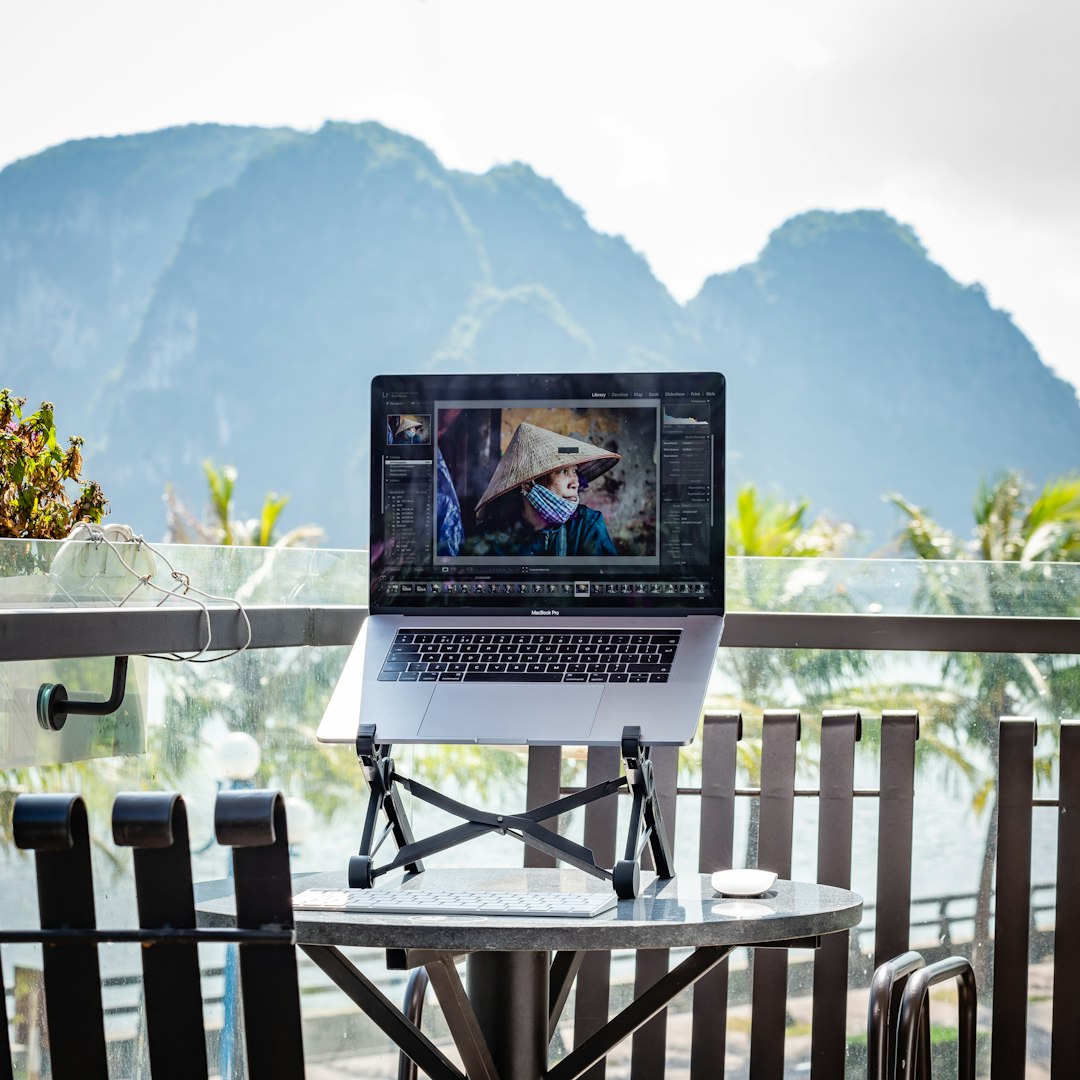
As the digital landscape continues to evolve at a breakneck pace, the world of work for creative professionals is undergoing a profound transformation. For digital designers, the traditional office is no longer the epicenter of innovation; instead, a global, connected, and flexible workspace is emerging. What does this mean for your career trajectory? More importantly, what are the most promising and lucrative remote jobs for digital design professionals looking toward 2026? This article delves deep into the roles that are set to dominate, the skills you’ll need to master, and the industries where your talent will be in highest demand, providing a comprehensive roadmap for the future of your remote design career.
📚 Table of Contents

The Evolution of Remote Work in Digital Design
The shift to remote work isn’t a temporary blip; it’s a fundamental restructuring of how design operates. Initially driven by necessity, the remote model has proven its value for both employers and designers. Companies now tap into a global talent pool, accessing specialized skills without geographical constraints. For designers, this means unprecedented freedom to choose projects that align with their passions and to structure their workday for optimal creativity. By 2026, we anticipate this model maturing further, with “remote-first” becoming the default for many tech and creative companies. This evolution will be characterized by sophisticated asynchronous collaboration tools, a stronger emphasis on design systems to maintain consistency across distributed teams, and a cultural shift where output and impact are valued over physical presence. The role of the digital designer will thus expand from a pure creator to a communicator, systems thinker, and advocate for user experience within a decentralized team structure.
Top Remote Digital Design Jobs to Target in 2026
The remote job market for designers is diversifying. While UI/UX roles remain core, new specializations are emerging at the intersection of design, technology, and business strategy. Here’s an in-depth look at the roles that will be highly sought-after for remote digital design professionals in 2026.
1. Product Designer (Specializing in AI & Complex Systems)
This remains the pinnacle role, but its focus is shifting. Remote product designers in 2026 will be expected to design not just interfaces, but entire AI-augmented experiences. This involves creating intuitive user flows for machine learning features, designing ethical data visualization dashboards, and crafting interfaces that adapt to user behavior. The remote aspect requires exceptional skills in articulating design rationale through detailed documentation, interactive prototypes, and video walkthroughs to align cross-functional, distributed teams (engineering, product, marketing) around a unified vision.
2. UX Researcher & Strategist
As products become more global and user-centric, understanding diverse user bases is critical. Remote UX researchers will leverage advanced tools for unmoderated testing, digital ethnography, and sentiment analysis to gather insights from users worldwide. The remote job involves synthesizing quantitative and qualitative data into compelling strategic narratives that guide product direction. This role is perfect for designers who are empathetic, analytical, and skilled at translating complex findings into actionable recommendations for teams they may never meet in person.
3. Design Systems Manager/Engineer
For large, remote-first organizations, a cohesive design system is the single source of truth that ensures consistency and speeds up development. The remote Design Systems Manager is both a librarian and an architect. They curate and maintain component libraries (in Figma, Storybook, etc.), establish governance models, and evangelize adoption across the company. This role requires a deep understanding of front-end development (HTML, CSS, JS frameworks) and a meticulous, systematic approach to design. It’s a highly technical and collaborative remote position that is foundational to scalable digital product development.
4. Immersive Experience Designer (XR/VR/AR)
The metaverse and spatial computing are moving beyond hype into practical application. Remote immersive experience designers will create 3D environments, AR overlays for retail and training, and VR interfaces for collaboration and entertainment. Working remotely in this field requires proficiency in tools like Unity, Unreal Engine, or Spline, and the ability to prototype and test spatial interactions. Designers will collaborate with 3D artists and developers to build the next generation of digital spaces, often for fully distributed teams building virtual offices or showrooms.
5. Motion Design Specialist
In a crowded digital space, motion is the differentiator. Remote motion designers create micro-interactions, loading sequences, explanatory animations, and brand-driven motion graphics. This role goes beyond simple UI animation; it’s about using movement to guide user attention, convey brand personality, and explain complex concepts. Mastery of After Effects, Lottie, and emerging real-time animation tools is key. As companies invest more in video content and interactive storytelling, skilled remote motion designers will be in high demand for marketing teams, product teams, and agencies.
6. Accessibility & Inclusive Design Lead
This is transitioning from a niche specialty to a core business and legal imperative. Remote Accessibility Design Leads audit digital products for WCAG compliance, advocate for inclusive design principles from the project’s inception, and educate entire organizations on building products for people with diverse abilities. This role combines empathy, technical knowledge of assistive technologies, and a strategic mindset to ensure products are usable by everyone, a crucial factor for global, remote companies serving wide audiences.
The 2026 Essential Skills & Toolkit
Landing the best remote jobs for digital design professionals requires more than just aesthetic talent. The following skills and tools will be non-negotiable by 2026.
Core Skills:
- Asynchronous Communication: The ability to articulate ideas clearly in writing (Notion, Slack), through voice notes (Loom), and via detailed prototype comments (Figma).
- DesignOps & Process Mastery: Understanding how to streamline workflows, manage version control, and hand off designs efficiently in a remote setting.
- Data-Informed Design: Comfort with using analytics platforms (Amplitude, Mixpanel) and A/B testing results to validate design decisions and demonstrate ROI.
- Basic Understanding of AI Tools: Knowing how to leverage AI for brainstorming (Midjourney for mood boards), prototyping (Galileo AI), or automating repetitive tasks.
- Business Acumen: Connecting design work to business goals (user acquisition, retention, conversion) is crucial for justifying your role and advancing your career remotely.
Essential Toolkit:
- Figma & Collaborative Plugins: The de facto standard for real-time and async collaboration.
- Prototyping & Interaction Tools: Advanced use of Figma Prototype, ProtoPie, or Framer for creating high-fidelity, testable experiences.
- Design System Platforms: Zeroheight or Supernova for documenting and managing design systems.
- User Research Platforms: UserTesting, Maze, or Dovetail for conducting and synthesizing remote research.
- Visual Collaboration Whiteboards: Miro or FigJam for remote workshops, brainstorming, and affinity mapping.
Strategies for Finding and Landing Remote Design Jobs
With the market becoming more competitive, a strategic approach is essential. First, tailor your portfolio for remote work. Don’t just show final visuals; use case studies to tell the story of how you solved a problem. Highlight your collaboration process, how you communicated with remote stakeholders, and the measurable impact of your work. Second, leverage niche job boards beyond the generic ones. Look at sites like We Work Remotely, Dribbble Jobs, and LinkedIn filters set to “Remote.” Third, build a strong personal brand. Share your design thinking on Twitter or LinkedIn, contribute to design community discussions, and consider writing case studies on Medium. This makes you discoverable. Finally, prepare for the remote interview process. Expect multi-stage interviews that may include a portfolio deep-dive, a take-home design challenge (with fair compensation), and interviews focused on your remote work habits and collaboration style.
Beyond 2026: Future-Proofing Your Design Career
The trajectory for remote digital design professionals points toward even greater integration with technology. Designers will increasingly work alongside AI as a co-pilot, using it to generate initial concepts, automate layouts, and personalize experiences at scale. This will elevate the designer’s role to one of curator, editor, and strategic director. Furthermore, as the line between digital and physical blurs with IoT and spatial computing, designers will need to think in terms of ecosystems, not just screens. Continuous learning will be the only constant. Cultivate a mindset of adaptability, proactively learn about emerging technologies like generative AI and spatial interfaces, and always tie your design work back to human needs and business outcomes. The most successful remote designers will be those who are not just executors of briefs, but visionary problem-solvers who can lead projects from a distance.
Conclusion
The future for digital design professionals is not just remote; it is expansive, specialized, and rich with opportunity. By 2026, the best remote jobs will reward those who combine deep design expertise with strategic thinking, technological curiosity, and masterful remote collaboration. Whether you’re drawn to the systemic logic of design systems, the human-centered depth of UX research, or the creative frontiers of immersive design, the key is to start building the relevant skills and portfolio now. The global workspace is your canvas—embrace the flexibility, continuous learning, and connectedness it offers to craft a fulfilling and impactful design career on your own terms.
Leave a Reply