
Imagine building a lucrative career analyzing real estate markets from a beachside cafe, a mountain cabin, or your home office thousands of miles from the properties you evaluate. As we approach 2026, the convergence of advanced technology, shifting work paradigms, and evolving global markets is creating a powerful new professional pathway: the strategic remote real estate investment analyst. This isn’t just about working from home; it’s about mastering a sophisticated, data-driven discipline that allows you to identify value, assess risk, and guide investment decisions from anywhere in the world. What does it take to build and thrive in such a career, and what is the roadmap to get there by 2026?
📚 Table of Contents
- ✅ The Evolving Foundation: More Than Just Spreadsheets
- ✅ The 2026 Analyst’s Tech Stack: AI, Platforms, and Automation
- ✅ Remote Market Mastery: Developing a Hyper-Informed, Global Lens
- ✅ Building an Irreplaceable Remote Workflow and Deliverable System
- ✅ Career Pathways and Monetization in a Distributed World
- ✅ Future-Proofing: The Skills That Will Separate Leaders from the Pack
- ✅ Conclusion
The Evolving Foundation: More Than Just Spreadsheets
The traditional real estate analyst was often anchored to a specific city or firm, relying heavily on local networks and manual data collection. The remote strategic analyst of 2026 requires a fundamentally different foundation. Core financial modeling skills—mastery of discounted cash flow (DCF) analysis, internal rate of return (IRR) calculations, and sensitivity testing—remain non-negotiable. However, these skills must now be applied with a deeper understanding of macroeconomic indicators that transcend borders, such as global capital flows, currency risk, and remote work migration patterns. For example, an analyst might model the cash flow for a multifamily property in Austin, Texas, but must also factor in the potential impact of a tech sector slowdown in San Francisco, which drives migration to Austin, or a shift in Federal Reserve interest rate policy that affects debt markets worldwide. This role demands fluency in both the granular (property-level operating expenses) and the global (geopolitical stability of a region attracting foreign investment).
The 2026 Analyst’s Tech Stack: AI, Platforms, and Automation
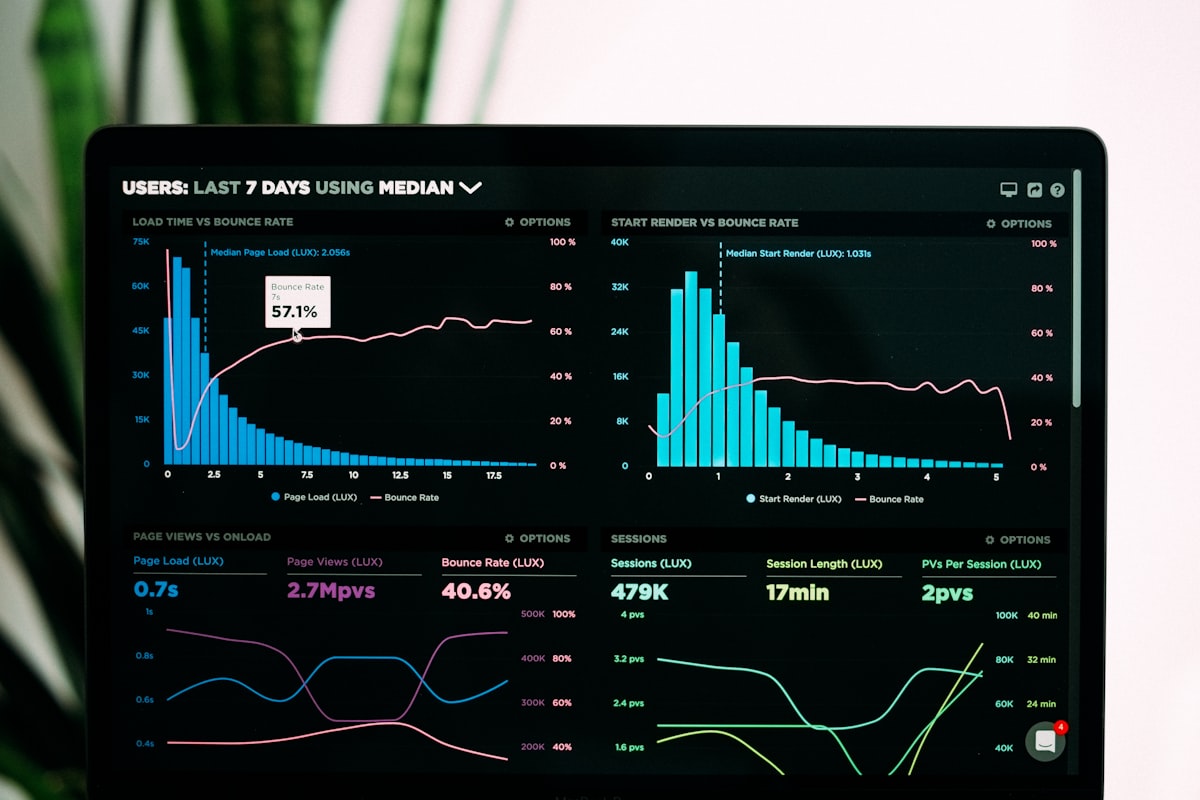
Remote analysis is impossible without a powerful, cloud-based technology stack. By 2026, proficiency in specific tools will be as basic as knowing Excel is today. This stack has several layers. First, data aggregation and research platforms like CoStar, Reonomy, and AirDNA (for short-term rentals) are essential, but the advanced analyst will use API connections to pull this data directly into their models. Second, artificial intelligence and machine learning tools will move from novelty to necessity. AI will be used to scan thousands of property listings for off-market potential, predict neighborhood appreciation trends by analyzing satellite imagery and local permit data, and even generate preliminary underwriting reports from a set of inputs. Third, visualization and collaboration tools like Tableau, Power BI, and Miro will be critical for communicating complex findings to distributed teams and investors. The analyst’s edge will come from knowing how to orchestrate these tools—for instance, using a script to automate the collection of rental comps, feeding that data into an AI model to forecast rent growth, and presenting the results in an interactive dashboard for a client in another time zone.
Remote Market Mastery: Developing a Hyper-Informed, Global Lens
You cannot walk the streets of a market you analyze from 5,000 miles away, so you must develop superior remote reconnaissance skills. This involves creating a systematic process for virtual due diligence. It means regularly attending city council and planning commission meetings via live stream to understand zoning changes. It involves using tools like Google Earth Pro to assess property conditions, roof age, and parking layouts, and analyzing street view history to gauge neighborhood development. Furthermore, strategic remote real estate investment analysis requires building a trusted network of local contacts—not through casual coffee meetings, but through targeted virtual engagement. This includes building relationships with remote-friendly brokers, property managers, contractors, and even other analysts in the target market via professional networks and online forums. The goal is to create a “digital twin” understanding of the market, where you have multiple, redundant data streams and human intelligence sources that compensate for the lack of physical presence.
Building an Irreplaceable Remote Workflow and Deliverable System
Output is what defines value in a remote role. The successful analyst must engineer a workflow that consistently produces high-quality, actionable deliverables. This starts with a standardized analytical process, perhaps built within a platform like Airtable or Notion, that ensures no step in the underwriting or market research process is missed. Deliverables must be crafted for remote consumption: comprehensive investment memorandums that are visually engaging and clearly structured; video presentations or Loom recordings that walk investors through a deal’s key metrics and risks; and dynamic financial models hosted in the cloud (using tools like Google Sheets or Fathom) that allow for real-time collaboration and scenario testing. The analyst becomes a central hub of clarity and insight, distilling vast amounts of disparate data into a coherent narrative that enables confident decision-making for clients who may never visit the property.
Career Pathways and Monetization in a Distributed World
The career trajectory for a remote analyst is more flexible and entrepreneurial than its traditional counterpart. Pathways include joining a fully distributed real estate private equity firm or investment platform. Another route is operating as a high-value independent consultant or fractional analyst for multiple smaller investors or syndicators who lack in-house expertise. Some analysts will build their own brands by publishing proprietary market research, launching subscription newsletters, or creating analytical tools for other investors. Monetization can come from salary, project-based fees, retainer agreements, or even performance-based carried interest in deals you analyze. The key is to position yourself not as a cost, but as a force multiplier who expands an investment team’s geographic reach and analytical depth without the overhead of a physical office.
Future-Proofing: The Skills That Will Separate Leaders from the Pack
As we look toward 2026 and beyond, certain skills will transition from advantageous to critical. Data literacy will be paramount—not just the ability to read a chart, but to manipulate large datasets, understand basic statistics for regression analysis, and question data provenance. A working knowledge of proptech (property technology) trends, from smart building IoT sensors to blockchain-based transaction platforms, will be necessary to assess a property’s future competitiveness. Perhaps most importantly, soft skills like asynchronous communication, cross-cultural competency (when dealing with international investors or markets), and self-directed project management will be the glue that holds a remote career together. The analyst who can seamlessly collaborate across time zones, articulate complex findings in writing, and manage their workflow without supervision will command a significant premium.
Conclusion
The roadmap to a strategic remote real estate investment analysis career by 2026 is clear: it requires a deliberate fusion of timeless financial acumen with cutting-edge technological proficiency and a uniquely disciplined approach to remote work. It’s a career built on the ability to see patterns in data others miss, to communicate insights across digital distances with compelling clarity, and to continuously adapt to new tools and market dynamics. For those willing to invest in building this multifaceted skill set, the reward is a future-proof, location-independent profession at the very heart of the global real estate investment ecosystem. The office is gone; the world is your market.
Leave a Reply