
📚 Table of Contents
Imagine analyzing the cash flow potential of a multi-family property in Austin from a café in Lisbon, while simultaneously assessing the environmental risk profile of a coastal development in Vietnam—all before lunch. This isn’t a futuristic fantasy; it’s the emerging reality of the remote real estate investment analysis career. As we look toward 2026, the confluence of technology, data accessibility, and shifting work paradigms is creating a golden era for professionals who can master the art and science of property evaluation from anywhere in the world. But how does one not just enter this field, but truly future-proof their career against rapid technological change and global economic volatility? The roadmap requires a deliberate blend of advanced technical skills, strategic niche development, and an entirely new operational mindset.
The Foundational Shift: From Local Intuition to Global Data
The traditional real estate analyst was often deeply rooted in a specific city or region, relying on local market intuition, physical drive-bys, and a network of on-the-ground contacts. The future-proof remote real estate investment analysis career dismantles this geography-dependent model. The new foundation is built on the ability to source, interpret, and synthesize global data streams. This means moving beyond MLS listings to leverage a vast array of alternative data: satellite imagery for tracking development progress or roof condition, anonymized foot traffic data from mobile devices, granular demographic migration trends, climate risk datasets, and even sentiment analysis from local news and social media. The remote analyst’s first competency is knowing where to find credible data for any market, from Lisbon to Louisville, and how to vet its accuracy. For instance, analyzing a potential rental property in Madrid might involve cross-referencing Airbnb occupancy data from third-party aggregators with Spanish tourism board statistics, local short-term rental regulation databases, and energy certificate registries—all without setting foot in the country.
Core Skill Set for 2026: The Analyst’s New Toolkit
To build a future-proof remote real estate investment analysis career, specific competencies move from “nice-to-have” to “non-negotiable.”
1. Advanced Financial Modeling & Scenario Analysis: Static spreadsheets are obsolete. Analysts must build dynamic, probabilistic models that stress-test investments against hundreds of scenarios. This includes modeling interest rate shocks, variable inflation assumptions, regional economic downturns, and climate-related cost escalations. Mastery of tools like Python for automation or advanced Excel with Power Query is essential to run Monte Carlo simulations and present a range of outcomes (IRR, Equity Multiple) with associated probabilities, providing investors with a nuanced risk/reward profile.
2. Geospatial Analysis (GIS): Understanding the “where” is as crucial as the “what.” GIS skills allow analysts to layer critical information: flood zones, future infrastructure projects, crime statistics, school district boundaries, and proximity to amenities. A remote analyst might use GIS to demonstrate how a planned new metro line (with construction timelines and confirmed stations) will impact property values in specific neighborhoods of a city they’ve never visited, creating a compelling, visual investment thesis.
3. Data Literacy & Basic Programming: The ability to use APIs to pull data directly from sources like costar, Zillow, or government portals, and then clean and analyze that data, is a massive force multiplier. Knowledge of SQL for database querying, and Python or R for data analysis and automation (like auto-generating quarterly performance reports for a portfolio of 50 properties) will separate the high-value analyst from the casual one.
4. Regulatory & Tax Acumen Across Jurisdictions: A deep understanding of local real estate law, tax structures, and ownership frameworks is critical. This might involve explaining the implications of Germany’s *Mietpreisbremse* (rental price brake) on a Berlin apartment block’s revenue, or the capital gains and withholding tax procedures for a non-resident selling a Canadian property. The remote analyst often partners with local legal experts but must have the foundational knowledge to identify risks and ask the right questions.
The Non-Negotiable Tech Stack: Platforms and Automation
The remote analyst’s credibility is tied to their technological infrastructure. A professional remote real estate investment analysis career is powered by a curated suite of software.
Core Analysis & CRM: Platforms like Dealpath, REIA, or Argus Enterprise become the central hub for deal flow management, modeling, and investor reporting. These are integrated with a robust CRM (like Salesforce or Pipedrive) to track investor communications, deal sources, and follow-ups.
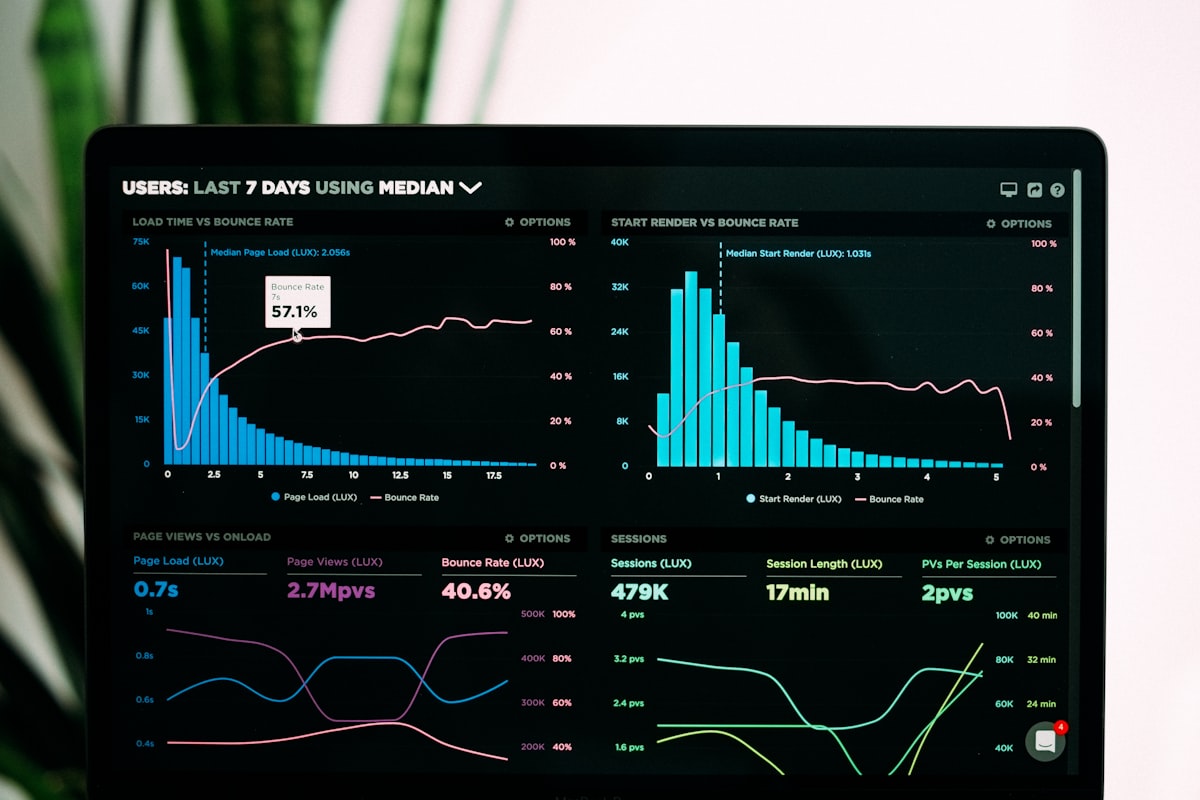
Data Aggregation & Visualization: Tools like Tableau, Power BI, or even advanced Looker Studio dashboards are used to create interactive reports for clients. Investors can log in to a portal and see real-time performance metrics, market comparisons, and forecast updates for their holdings.
Virtual Due Diligence: Mastery of 3D walkthrough platforms (Matterport), drone footage analysis, and tools for remote title and document review is essential. The analyst coordinates “virtual inspections” with local contractors, using video calls to assess property conditions, asking specific, guided questions to compensate for the lack of physical presence.
Communication & Collaboration: Beyond Zoom, proficiency in asynchronous video tools (Loom for deal summaries), secure document sharing (Box, Dropbox Business), and project management software (ClickUp, Asana) to manage due diligence checklists with international teams is part of the daily workflow.
The Power of Niche Specialization in a Global Market
Attempting to be a generalist analyst for all global asset types is a path to obscurity. The winning strategy is deep vertical specialization. By 2026, the most successful remote real estate investment analysts will be known for hyper-specific expertise. Examples include:
• The ESG & Climate Resilience Analyst: Specializes in scoring assets on sustainability metrics, modeling the financial impact of decarbonization retrofits, and pricing climate physical risks (wildfire, flood, heat) for insurance and valuation in specific geographies.
• The Data-Center & Digital Infrastructure Analyst: Focuses on the real estate underpinning the cloud: evaluating sites for fiber connectivity, power grid stability and cost, latency metrics, and local incentives for data center development.
• The Senior Housing & Healthcare Real Estate Analyst: Develops deep models around demographic tailwinds, regulatory reimbursement rates (like Medicare in the US), operator quality analysis, and care model innovations across different countries.
• The Emerging Market Logistics Analyst: Becomes an expert on last-mile warehouse feasibility in Southeast Asia or Latin America, analyzing port infrastructure, local logistics partner ecosystems, and e-commerce penetration growth curves.
This specialization allows you to build a formidable personal brand, create proprietary analysis frameworks, and command premium fees from investors seeking that exact, hard-to-find expertise.
Building a Future-Proof Operational Model
The career is not just about skills, but about building a resilient business structure. The modern analyst often operates as a solo practitioner, a boutique firm, or a key member of a distributed fund.
1. The Hybrid Service Model: Revenue streams diversify beyond per-deal analysis. They may include retained “analyst-as-a-service” subscriptions for funds, creating and licensing proprietary market index reports, or offering portfolio health dashboards and monitoring for passive investors.
2. Building the Trust Network: Your value multiplies when you become a node in a network. This means cultivating trusted relationships with remote-notary services, local inspection contractors in key target markets, international tax attorneys, and property management firms. You become the quarterback who assembles and manages the virtual due diligence team.
3. Continuous Learning Systems: The roadmap to 2026 requires formalizing learning. This could involve scheduled deep-dives into new regulatory environments, taking certified courses in proptech or climate risk finance, and participating in global real estate investment forums and webinars not as an attendee, but as a speaker or panelist to solidify authority.
4. Personal Branding as a Digital Authority: A sophisticated online presence is your storefront. This involves publishing in-depth, data-driven market analyses on LinkedIn or a professional blog, speaking on niche podcasts, and perhaps developing a succinct newsletter that highlights your unique analytical lens on global market shifts. Your digital footprint is the primary evidence of your future-proof remote real estate investment analysis capabilities.
Conclusion
The trajectory toward 2026 presents an unprecedented opportunity to build a high-impact, location-independent career at the intersection of finance, technology, and global asset markets. The future-proof remote real estate investment analysis career is not simply about doing an old job from home; it is a fundamental reinvention of the role. It demands a practitioner who is part data scientist, part financial engineer, part geopolitical risk assessor, and part digital communicator. By mastering the new toolkit, specializing deeply, leveraging an advanced tech stack, and building a robust operational model, analysts can position themselves not just to adapt to the future of real estate, but to actively shape it. The key is to start building that foundation now, transforming the challenge of distance into the ultimate competitive advantage of breadth, depth, and unparalleled analytical insight.
Leave a Reply