
In the digital age, where data is the new oil, two of the most dynamic and in-demand career paths have emerged: remote product data analysis and social media analytics. Both offer the coveted combination of high-impact work and the flexibility of remote employment, but they diverge significantly in focus, skills, and daily responsibilities. If you’re standing at this career crossroads, wondering which path aligns with your skills and ambitions, you’re not alone. This deep dive will dissect each field, comparing their core functions, required skill sets, career trajectories, and the unique challenges and rewards they present, empowering you to make an informed decision.
📚 Table of Contents
- ✅ Defining the Domains: Product Data vs. Social Media Analytics
- ✅ Core Responsibilities: A Day in the Life
- ✅ Skill Set Showdown: Technical vs. Creative-Analytical
- ✅ Tools of the Trade: From SQL Dashboards to Social Listening Suites
- ✅ Career Path & Trajectory: Growth and Opportunities
- ✅ Remote Work Dynamics: Collaboration and Focus
- ✅ Making Your Choice: Which Path is Right for You?
- ✅ Conclusion
Defining the Domains: Product Data vs. Social Media Analytics
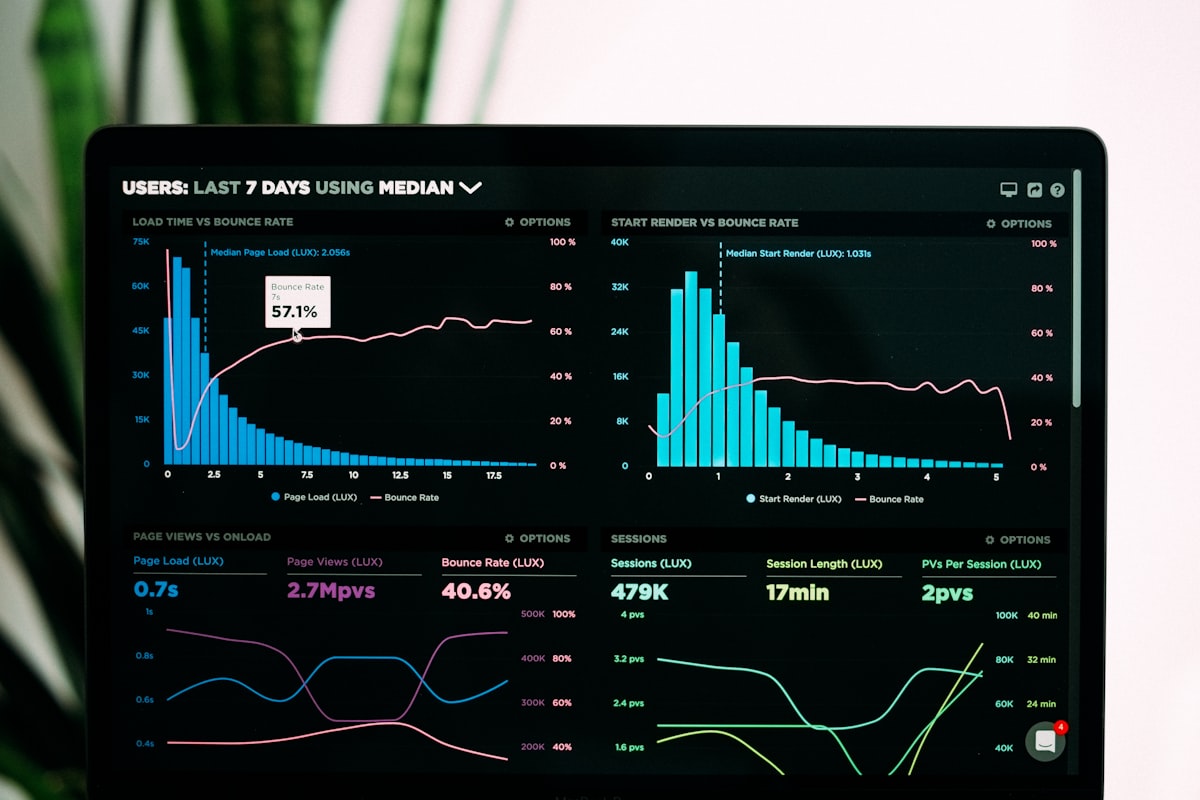
At their heart, both careers are about extracting insights from data to drive decisions. However, the source and purpose of that data are fundamentally different. Remote product data analysis is intrinsically linked to a specific digital product—be it a SaaS platform, a mobile app, an e-commerce website, or a streaming service. The analyst’s world revolves around user behavior within the product. They track metrics like user activation, feature adoption, retention rates, churn, and conversion funnels. The ultimate goal is to understand how people use the product, identify pain points, and provide data-backed recommendations to the product team to improve the user experience and drive business growth. It’s a role deeply embedded in the product development lifecycle.
Conversely, social media analytics operates in the public, external sphere of brand perception and audience engagement. This professional analyzes data from platforms like Facebook, Instagram, Twitter (X), LinkedIn, and TikTok. Their focus is on metrics such as engagement rate, reach, impressions, share of voice, sentiment analysis, and campaign performance. The goal here is to understand and influence public conversation, build brand awareness, manage reputation, generate leads, and ultimately connect marketing efforts to broader business objectives. It’s a role that sits at the intersection of marketing, communications, and public relations.
Core Responsibilities: A Day in the Life
A remote product data analyst might start their day by checking automated dashboards in tools like Mixpanel or Amplitude, looking for anomalies in key performance indicators (KPIs) like daily active users or subscription sign-ups. They may then dive into a deep SQL query to investigate a specific user cohort—for example, “users who signed up during the last marketing campaign but haven’t completed the onboarding tutorial.” Their afternoon could be spent building a predictive model to identify users at high risk of churning or creating an A/B test analysis to determine whether a new button color increased click-through rates. Their output is often a detailed report or presentation for product managers and engineers, recommending specific feature changes or strategic pivots.
A remote social media analyst, on the other hand, might begin by using a tool like Sprout Social or Brandwatch to compile a daily or weekly report on campaign performance across all channels. They analyze which posts garnered the most comments and shares, dissect audience demographics, and perform sentiment analysis on brand mentions to gauge public feeling. Their day could involve tracking a hashtag campaign in real-time, researching competitor social strategies, or providing insights to content creators on what types of videos or copy resonate best. Their output is directly actionable for the marketing and social media teams, guiding content calendars, ad spend, and community management strategies.
Skill Set Showdown: Technical vs. Creative-Analytical
The skill sets for these paths overlap in areas like analytical thinking and data visualization but branch out in critical ways. For remote product data analysis, technical proficiency is paramount. Mastery of SQL for querying databases is non-negotiable. Strong skills in statistical analysis and programming languages like Python or R for more advanced modeling are highly valued. Understanding data warehousing concepts (like ETL processes) and experience with product analytics platforms (Google Analytics 4, Heap, Pendo) are essential. The mindset is one of scientific rigor: hypothesis testing, causal inference, and a deep understanding of the product’s business model.
For social media analytics, the skill set blends analytical prowess with marketing acumen and creativity. While familiarity with data analysis is key, expertise lies in platform-specific insights (understanding the nuances of Instagram’s algorithm vs. LinkedIn’s). Proficiency with social listening tools and native platform analytics is crucial. Perhaps the most distinct skill is sentiment analysis and qualitative interpretation—understanding not just the numbers, but the story and emotion behind comments and trends. Copywriting savvy, knowledge of digital marketing fundamentals, and strong communication skills to translate data into compelling narratives for non-technical stakeholders are vital assets.
Tools of the Trade: From SQL Dashboards to Social Listening Suites
The toolkit defines much of the daily work. A product data analyst’s arsenal is built on data infrastructure and exploration tools. Their core toolkit includes: SQL clients (e.g., DataGrip, DBeaver) for direct database access; product analytics platforms like Amplitude, Mixpanel, or Heap for tracking user journeys; business intelligence tools like Tableau, Looker, or Mode for building company-wide dashboards; and programming environments like Jupyter Notebooks for statistical analysis in Python. They are often deeply integrated with the company’s data stack.
The social media analyst relies on a suite of platforms designed for listening, publishing, and reporting. Key tools include: social media management suites like Hootsuite, Sprout Social, or Buffer for scheduling and basic analytics; advanced social listening tools like Brandwatch, Talkwalker, or Meltwater for monitoring brand mentions and industry trends across the web; native platform insights (Meta Business Suite, TikTok Analytics); and often, marketing automation or CRM platforms like HubSpot to connect social efforts to lead generation and sales pipelines.
Career Path & Trajectory: Growth and Opportunities
Both paths offer robust career growth, but the trajectories can lead to different leadership roles. In product data, a common progression is: Product Data Analyst → Senior Product Analyst → Lead/Manager of Product Analytics → Head of Data or Director of Analytics. From there, one might move into a strategic role like Chief Data Officer or transition into product management itself, leveraging deep user knowledge. The path is often within tech companies, and specialization can lead to roles in growth hacking, monetization strategy, or data science.
In social media analytics, progression might look like: Social Media Analyst → Senior Social Media Analyst → Social Media Manager → Head of Social Media or Director of Digital Marketing. The path is deeply tied to marketing, and high performers often evolve into broader digital marketing, content strategy, or brand management roles. Expertise here can also lead to consultancy, offering analytics services to multiple clients, or specializing in a high-demand vertical like influencer marketing analytics.
Remote Work Dynamics: Collaboration and Focus
While both are remote-friendly, the nature of collaboration differs. A remote product data analyst typically works closely with a cross-functional product team—product managers, designers, and engineers. Their work is project-based and cyclical, aligned with product sprints and release schedules. Communication is often asynchronous, with deep focus periods for analysis punctuated by video calls to present findings. The challenge is staying aligned with the product’s evolving context without being physically present with the team.
A remote social media analyst often operates in a faster-paced, reactive environment. They collaborate with marketing managers, content creators, and community managers. The work can be more real-time, especially during live events or PR crises. The remote setting requires excellent self-discipline to manage the always-on nature of social media while maintaining boundaries. Success hinges on clear communication channels to quickly share insights that can immediately impact content going out that same day.
Making Your Choice: Which Path is Right for You?
Your choice ultimately hinges on your intrinsic interests and strengths. Choose remote product data analysis if: you love deep-diving into structured datasets, enjoy solving complex logical puzzles, are fascinated by user psychology and product mechanics, prefer working on longer-term projects with measurable impact on a product’s core functionality, and have a strong affinity for technical tools and programming.
Choose social media analytics if: you are naturally attuned to cultural trends, memes, and public discourse; you enjoy blending numbers with narrative and creativity; you thrive in a dynamic, fast-paced environment where trends change daily; you have strong written communication skills; and you get satisfaction from seeing the direct, visible impact of your insights on brand content and public engagement.
Consider hybrid roles as well, such as Marketing Data Analyst or Growth Analyst, which can incorporate elements of both. The best way to decide is to try: take an online course in SQL and product analytics, and simultaneously run a small social media campaign for a personal project or volunteer organization to see which type of data work energizes you more.
Conclusion
Both remote product data analysis and social media analytics are prestigious, future-proof careers that place you at the decision-making table of modern businesses. The former is the backbone of product evolution, turning user behavior into better software. The latter is the pulse of brand health, transforming public conversation into marketing strategy. Your decision shouldn’t be about which field is “better,” but about which data universe you find more compelling—the internal world of user interactions or the external world of social discourse. By aligning your career with your natural curiosity and strengths, you can build a profoundly rewarding remote career in the data-driven landscape.
Leave a Reply