In today’s rapidly evolving digital landscape, professionals are faced with a fascinating crossroads: should they pursue the data-driven, high-demand world of remote marketing analytics, or navigate the increasingly crucial and morally complex field of digital ethics? Both paths offer compelling futures, but they represent fundamentally different ways of engaging with technology, business, and society. This isn’t just a choice between two jobs; it’s a choice between two mindsets—one focused on optimization and growth, the other on responsibility and human impact. Let’s dive deep into what each career entails, their day-to-day realities, and how to determine which path aligns with your skills, values, and long-term aspirations.
📚 Table of Contents
Understanding Remote Marketing Analytics
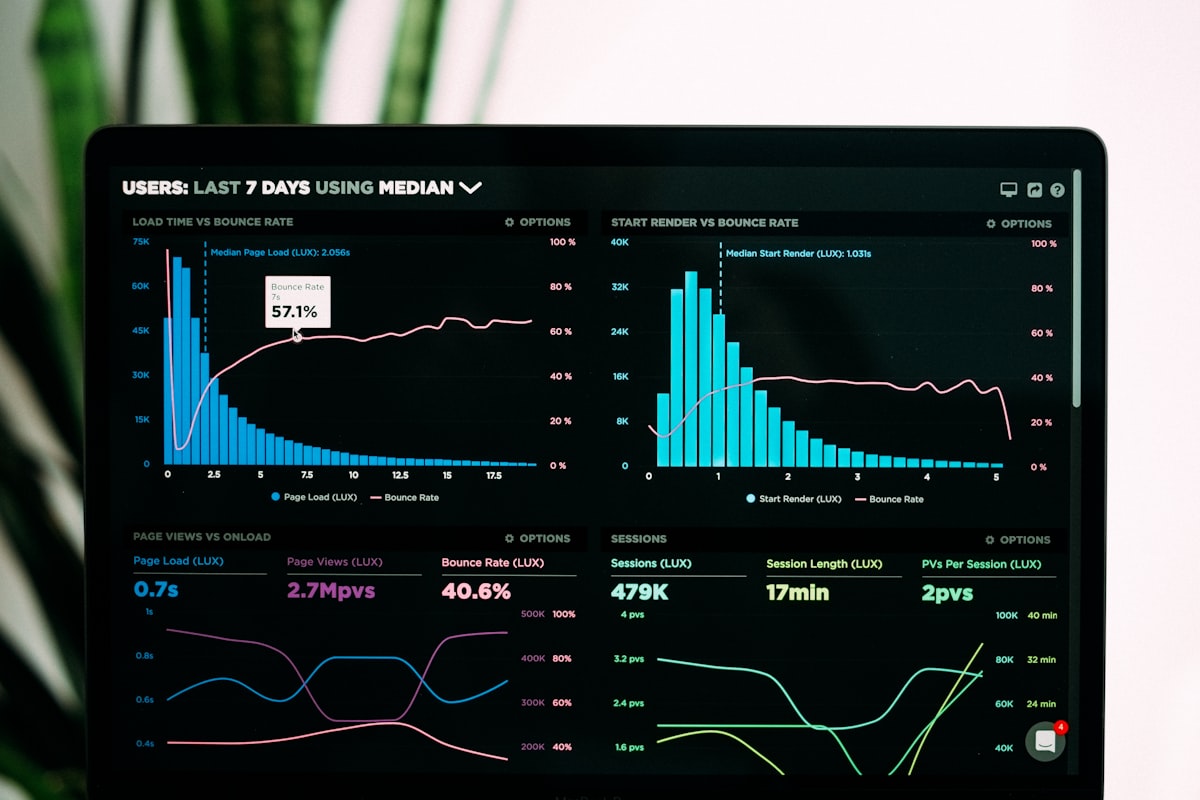
Remote marketing analytics is the practice of collecting, processing, and interpreting data related to marketing campaigns and customer behavior, all performed outside of a traditional office. This role sits at the heart of modern business strategy, transforming raw numbers into actionable insights. A professional in this field might use tools like Google Analytics, SQL databases, Tableau, and advanced CRM platforms to track everything from website traffic and conversion rates to customer lifetime value and social media engagement. The “remote” aspect means you could be analyzing the performance of a campaign in New York while sitting in a coffee shop in Lisbon, collaborating with teams across time zones via Slack, Zoom, and Asana. The core objective is unequivocal: to measure ROI, optimize spend, improve customer acquisition, and ultimately drive revenue growth. It’s a career built on precision, where success is quantifiable—a 15% increase in click-through rate or a 20% reduction in cost-per-lead are clear victories. The demand for these skills is skyrocketing as companies of all sizes realize that gut-feeling decisions are no longer competitive; data is the new currency.
The Rise of Digital Ethics
Digital ethics, on the other hand, is a multidisciplinary field concerned with the moral implications of digital technology, data, and algorithms. It asks questions that marketing analytics often takes for granted: Is this data collection method transparent and consensual? Does our algorithm perpetuate bias? Are our persuasive design techniques (like infinite scroll) manipulative? Professionals in digital ethics might work as AI ethicists, privacy officers, trust and safety managers, or ethical technology consultants. Their work involves developing ethical frameworks, conducting algorithmic audits, crafting privacy policies that go beyond legal compliance, and advocating for human-centric design within product and engineering teams. This career has surged in prominence following major societal reckonings around data privacy (like GDPR and CCPA), algorithmic fairness, and the mental health impacts of social media. Unlike marketing analytics, the “win” here is often preventative or philosophical—avoiding harm, building trust, and ensuring long-term sustainability rather than hitting a quarterly sales target. It’s a path for those who want to be the conscience of the tech industry.
Skills and Mindset Comparison
The skill sets for these two careers diverge significantly, reflecting their core purposes. Remote marketing analytics demands strong quantitative and technical prowess: statistical analysis, proficiency with analytics platforms (Google Analytics 4, Adobe Analytics), data visualization (Power BI, Looker), A/B testing methodology, and often a working knowledge of SQL and Python for data manipulation. The mindset is that of a detective and an optimizer—curious, detail-oriented, and relentlessly focused on key performance indicators (KPIs) and business outcomes.
Conversely, digital ethics requires a blend of philosophical reasoning, legal knowledge, technical literacy, and exceptional communication skills. You need to understand how algorithms and data systems work at a fundamental level, but also be well-versed in ethical theories (utilitarianism, deontology, virtue ethics), privacy law, and social science research. The mindset is that of an advocate and a philosopher—empathetic, systemic in thinking, comfortable with ambiguity, and skilled at translating complex ethical concerns into practical guidelines for engineers and business leaders. Persuasion and stakeholder management are key, as you’re often advocating for constraints on growth in the name of responsibility.
Career Path and Job Market
Currently, the job market for remote marketing analytics is vast and mature. Positions like Marketing Data Analyst, Growth Analyst, Web Analytics Manager, and CRM Analyst are plentiful across virtually every industry, from e-commerce and SaaS to healthcare and non-profits. The path is relatively linear: start as an analyst, progress to senior and lead roles, and potentially move into director-level positions overseeing entire analytics functions. The remote nature of the work opens up global opportunities.
The digital ethics job market is newer, more niche, but growing explosively. Roles are often found in larger tech companies (Meta, Google, Microsoft), consulting firms, and forward-thinking startups. Titles include Chief Trust Officer, AI Ethics Researcher, Privacy and Data Ethics Lead, and Responsible Innovation Manager. The career path is less defined, often requiring individuals to carve their own way by combining expertise from law, philosophy, social science, or engineering. While there are fewer postings, the competition can be intense for high-profile roles, and the impact of each position is potentially profound.
A Day in the Life
Imagine a Tuesday for our two professionals. The remote marketing analyst starts their day by checking automated dashboards for overnight campaign performance in different regions. They notice a dip in conversion for a paid social ad set. They dive into the data, segmenting by device and demographic, and discover the creative isn’t resonating with users on iOS. They quickly design an A/B test with a new asset, write up the hypothesis, and coordinate with the design team (via a quick video call) to get it built. Their afternoon is spent building a multi-touch attribution model in Python to better understand the customer journey, culminating in a clear presentation to the marketing director showing which channels truly drive pipeline.
The digital ethics specialist begins their day reviewing a new feature proposal from the product team—a voice assistant feature that uses emotional tone analysis. They schedule a meeting with the product manager and lead engineer to ask probing questions: How is emotional data defined and labeled? What safeguards prevent misuse? Could the feature inadvertently distress users? They then spend hours researching analogous cases and drafting a risk assessment matrix. Later, they facilitate a workshop with the design team on “ethical design sprints,” teaching them how to identify and mitigate potential harms during the ideation phase. Their victory is not a metric, but a successfully integrated ethical checkpoint in the product development lifecycle.
Future Outlook and Impact
Both careers have exceptionally strong futures, but their trajectories differ. Remote marketing analytics will continue to evolve with technology. The rise of AI and machine learning will automate basic reporting, pushing analysts toward more strategic interpretation, predictive modeling, and integration of first-party data in a cookie-less world. The impact is primarily economic—driving efficiency, growth, and competitive advantage for businesses.
Digital ethics is poised to become not just a specialty but a foundational component of all tech development. As regulation tightens (with AI Acts and stricter privacy laws) and consumer awareness grows, companies will need embedded ethicists to navigate risk, protect their brand, and build sustainable products. The impact is societal—shaping the very fabric of our digital world to be more fair, transparent, and human-centered. This career offers the chance to work on the “guardrails” of our technological future.
Making Your Choice
So, how do you choose? Start by introspecting on your core drivers. Do you get a thrill from finding a hidden pattern in a dataset that saves the company money? Does clear, numerical proof of your work satisfy you? If so, remote marketing analytics may be your calling. If you find yourself constantly questioning the “should we” rather than just the “can we,” if you are passionate about social justice, privacy, and the long-term human consequences of technology, then digital ethics likely calls to you.
Consider your tolerance for ambiguity. Analytics deals with the ambiguity of data, but aims to resolve it into clarity. Ethics often sits in gray areas where clear answers are elusive and consensus is hard-won. Also, think about your desired work style. Analytics often involves deep, focused solo work with data, punctuated by collaborative meetings. Ethics work is inherently collaborative and communicative, involving constant dialogue and negotiation.
It’s also worth noting that these paths are not mutually exclusive. The most powerful professionals of the future may be those who blend these skill sets—the “ethically-minded data analyst” who ensures their models are fair and transparent, or the “data-literate ethicist” who uses quantitative evidence to make their case. Hybrid roles are emerging, and this intersection is where some of the most innovative work will happen.
Conclusion
The decision between a career in remote marketing analytics and one in digital ethics is ultimately a choice about the kind of impact you want to have and the language through which you prefer to solve problems. The former offers a concrete, numbers-based path to driving business value in a flexible, in-demand role. The latter offers a pioneering, principle-based path to shaping a more responsible technological future. Both are essential, both are rewarding, and both represent vital pillars of the digital economy. By carefully weighing your affinity for data against your passion for principle, you can embark on a career that is not only successful but also deeply fulfilling.
Leave a Reply