
📚 Table of Contents
In the age of distributed teams and digital-first strategies, remote marketing analytics should be a superpower. It promises a clear, data-driven view of performance from anywhere in the world. Yet, many marketing teams find themselves drowning in numbers but starving for insights. The distance isn’t the problem; it’s the approach. Are you truly harnessing the power of your data, or are you falling into common traps that render your analytics efforts inefficient and misleading? Success in remote marketing analytics requires more than just access to a dashboard; it demands a disciplined, strategic approach to avoid critical mistakes that can derail your entire marketing strategy.
Failing to Integrate Data Sources and Creating Data Silos
One of the most pervasive and damaging mistakes in remote marketing analytics is allowing data to live in isolated silos. Imagine your social media data is in one platform, your website analytics in another, your CRM in a third, and your email marketing metrics in a fourth. For a remote team, this fragmentation is a nightmare. It forces analysts to spend hours manually exporting, combining, and cleaning data from disparate sources just to get a basic performance overview. This process is not only time-consuming but also highly prone to human error.
The consequence is a lack of a single source of truth. When your team is not physically together to quickly huddle around a whiteboard, conflicting data reports can lead to confusion, misalignment, and internal disputes. For example, your social media manager might report a stellar campaign performance based on engagement rates and link clicks from Meta, while your sales team sees no corresponding increase in qualified leads in Salesforce. Without a unified view, you cannot accurately track the customer journey from first touch to final conversion. The solution lies in investing in an integrated data infrastructure. This could involve using a Customer Data Platform (CDP) to unify customer touchpoints, leveraging data warehousing solutions like Google BigQuery or Snowflake, or simply utilizing the native integrations and API connections available in your marketing stack. Tools like Supermetrics can also automate data pulling from various sources into a centralized platform like Google Looker Studio or Tableau, ensuring everyone on the remote team is looking at the same, consistent dataset.
Obsessing Over Vanity Metrics Instead of Actionable Insights
In the quest to demonstrate value, remote marketing teams often fall back on what is easily measurable but ultimately superficial: vanity metrics. These are numbers like page views, social media likes, follower count, and even raw lead volume. While they can look impressive in a report, they tell you very little about real business impact. A remote environment can exacerbate this problem, as there may be a perceived pressure to show “activity” and “buzz” through these easily digestible numbers.
The true power of remote marketing analytics lies in moving beyond vanity metrics to focus on actionable insights that tie directly to business objectives. Instead of reporting that a blog post got 10,000 views, dig deeper. How long did visitors stay on the page? Did that traffic convert into email subscribers or demo requests? What was the bounce rate? For instance, a LinkedIn post might generate hundreds of likes (a vanity metric), but if the primary goal was lead generation, the only metric that truly matters is the click-through rate to the landing page and the subsequent conversion rate. Actionable metrics are often ratios or rates that indicate efficiency and health, such as Customer Acquisition Cost (CAC), Lifetime Value (LTV), marketing qualified lead (MQL) to sales qualified lead (SQL) conversion rate, and channel-specific return on ad spend (ROAS). By structuring your remote marketing analytics reports around these business-critical KPIs, you shift the team’s focus from “looking busy” to driving measurable growth.
Neglecting Context and Poor Communication of Findings
Data without context is just noise. This is especially true for remote teams where analysts and stakeholders aren’t sitting side-by-side. Simply dumping a spreadsheet or a static dashboard link into a Slack channel and considering the job done is a recipe for misinterpretation. A number in isolation is meaningless. A 20% month-over-month drop in website traffic sounds alarming, but without context, your team might panic. Was this drop due to a technical SEO issue, a seasonal trend, or because you deliberately shifted your budget from top-of-funnel content to bottom-of-funnel retargeting?
Effective remote marketing analytics requires a narrative. When presenting data, you must answer the “so what?” for your audience. This means:
- Providing Comparative Data: Compare performance against previous periods, against goals, or against industry benchmarks.
- Explaining Anomalies: Note any external factors, campaign launches, or technical issues that affected the data.
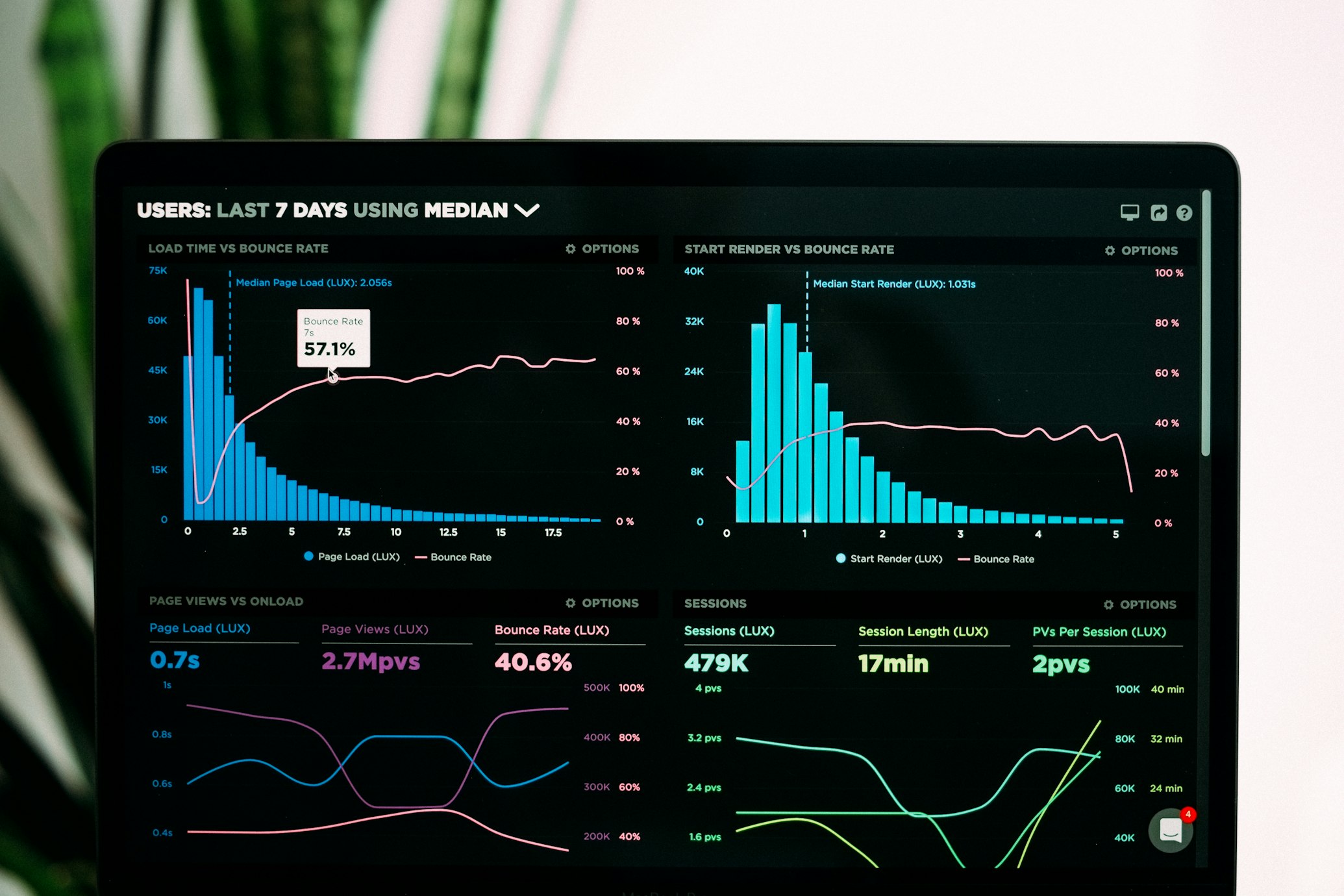
- Visualizing Data Clearly: Use clear charts and graphs that are easy to understand at a glance during a video call. Avoid overly complex visualizations that require lengthy explanation.
- Scheduling Regular Review Sessions: Don’t rely solely on asynchronous communication. Host regular video call meetings dedicated to walking through the analytics, discussing the story behind the numbers, and collaboratively deciding on next steps. This ensures alignment and shared understanding across the distributed team.
Ignoring Data Governance and Quality Assurance
In a rush to generate reports, the foundational principles of data governance are often overlooked in remote marketing analytics. Data governance refers to the overall management of the availability, usability, integrity, and security of the data employed in an organization. When teams are remote, the lack of a centralized, watchful eye can lead to a “wild west” scenario where everyone is tracking things differently, leading to unreliable and inconsistent data.
Common data governance failures include:
- Inconsistent UTM Parameter Usage: If team members create ad-hoc UTM links without a standardized naming convention, your campaign tracking in Google Analytics becomes a mess, making it impossible to accurately attribute performance.
- Unclean CRM Data: If the sales and marketing teams aren’t aligned on lead scoring and data entry protocols, your analysis of lead quality and conversion funnels will be flawed.
- Unchecked Tracking Code Errors: A misplaced or broken tracking pixel on a key landing page can silently kill your data collection for weeks without anyone noticing.
To avoid this, establish a clear data governance framework. Create a shared document that outlines the standard definitions for metrics (e.g., what exactly constitutes an “MQL”), provides templates for UTM parameters, and details data entry protocols. Implement regular data quality audits to check for tracking errors and inconsistencies. This proactive approach to remote marketing analytics ensures that the insights you’re basing million-dollar decisions on are built on a foundation of accurate, trustworthy data.
Not Using the Right Tools for Remote Collaboration
Attempting to manage remote marketing analytics with tools designed for a co-located office is a critical error. Relying on emailed Excel files, local desktop-based software, or static PDF reports creates version control issues and stifles collaboration. The right toolstack is not just about analysis; it’s about shared access, real-time collaboration, and transparent communication.
Your remote marketing analytics toolkit should include:
- Cloud-Based Data Visualization Platforms: Tools like Google Looker Studio, Tableau, or Microsoft Power BI allow you to create interactive, live dashboards that everyone can access from anywhere. Team members can filter, drill down, and explore the data themselves, fostering a data-driven culture.
- Centralized Documentation: Use Confluence, Notion, or a shared Google Drive to document your analytics strategy, data definitions, and reporting processes. This becomes the go-to knowledge base for everyone on the team.
- Integrated Communication Platforms: Slack or Microsoft Teams are essential. You can set up automated alerts to notify the team of significant data fluctuations (e.g., a sudden spike in traffic or a drop in conversion rate) and create dedicated channels for discussing data findings.
- Digital Whiteboards: Tools like Miro or Mural are invaluable for remote brainstorming sessions. When discussing analytics, you can use them to visually map out customer journeys, hypothesize about data trends, and plan experiments based on your insights, replicating the in-person whiteboard experience.
By strategically assembling a toolkit that supports, rather than hinders, your remote workflow, you turn your marketing analytics from a solitary reporting function into a collaborative, strategic engine.
Conclusion
Mastering remote marketing analytics is less about sophisticated algorithms and more about strategic discipline and robust processes. The physical distance of a team is irrelevant if you have a unified data foundation, a focus on actionable business metrics, a culture of clear communication and context, strict data governance, and a collaborative digital toolstack. By consciously avoiding these common pitfalls, you can transform your remote marketing analytics from a source of confusion into your most powerful asset for driving informed, impactful, and scalable growth.
💡 Click here for new business ideas
Leave a Reply