📚 Table of Contents
As global supply chains become increasingly distributed and digital, the very nature of the jobs that manage them is undergoing a radical transformation. The traditional image of a supply chain manager in a bustling warehouse or a corporate office is rapidly giving way to a new reality: a professional orchestrating complex global logistics from a home office. This shift begs the question: what are the essential future skills needed for remote supply chain management jobs? Thriving in this new environment requires more than just a reliable internet connection; it demands a fundamental evolution in capabilities, blending deep technical knowledge with uniquely human soft skills adapted for a virtual world.
Digital Fluency and Tech-Enabled Problem Solving
At the core of remote supply chain management lies an uncompromising requirement for digital fluency. This goes far beyond basic computer literacy. It is an intimate, working knowledge of the digital tools and platforms that form the central nervous system of a modern supply chain. A remote manager must be adept at navigating Enterprise Resource Planning (ERP) systems like SAP or Oracle Cloud remotely, extracting critical data without the ability to lean over and ask a colleague for a quick screen share. They need to be proficient with specialized supply chain software, such as Transportation Management Systems (TMS) for optimizing freight and Warehouse Management Systems (WMS) for overseeing distant fulfillment center operations, all through a virtual interface.
Furthermore, future skills in this domain include a growing familiarity with emerging technologies that are reshaping the landscape. Understanding the principles of Robotic Process Automation (RPA) is crucial, as bots can automate routine tasks like purchase order creation or shipment tracking, freeing up the remote manager to focus on higher-value, strategic issues. Similarly, a conceptual grasp of the Internet of Things (IoT) is vital. A remote manager should be able to interpret real-time data from IoT sensors on shipping containers—tracking location, temperature, and humidity—to preemptively address spoilage or delays, turning raw data into actionable insights from thousands of miles away. This skill set transforms the professional from a mere user of technology into a tech-enabled problem-solver, leveraging digital tools to diagnose issues, model scenarios, and implement solutions in a disconnected environment.
Advanced Data Literacy and Analytical Acumen
In a remote setting, data becomes your primary sensory input. You cannot walk the warehouse floor or feel the tension in a port; instead, you must see, interpret, and feel through data. Therefore, advanced data literacy is arguably the most critical of the future skills for a remote supply chain manager. This involves the ability to not only read standard reports but to critically analyze complex datasets, identify patterns, anomalies, and correlations that signal opportunities or threats. For instance, a manager might analyze a dataset combining historical shipping times, real-time weather patterns, and port congestion reports to predict a potential two-day delay on a critical shipment and proactively reroute it.
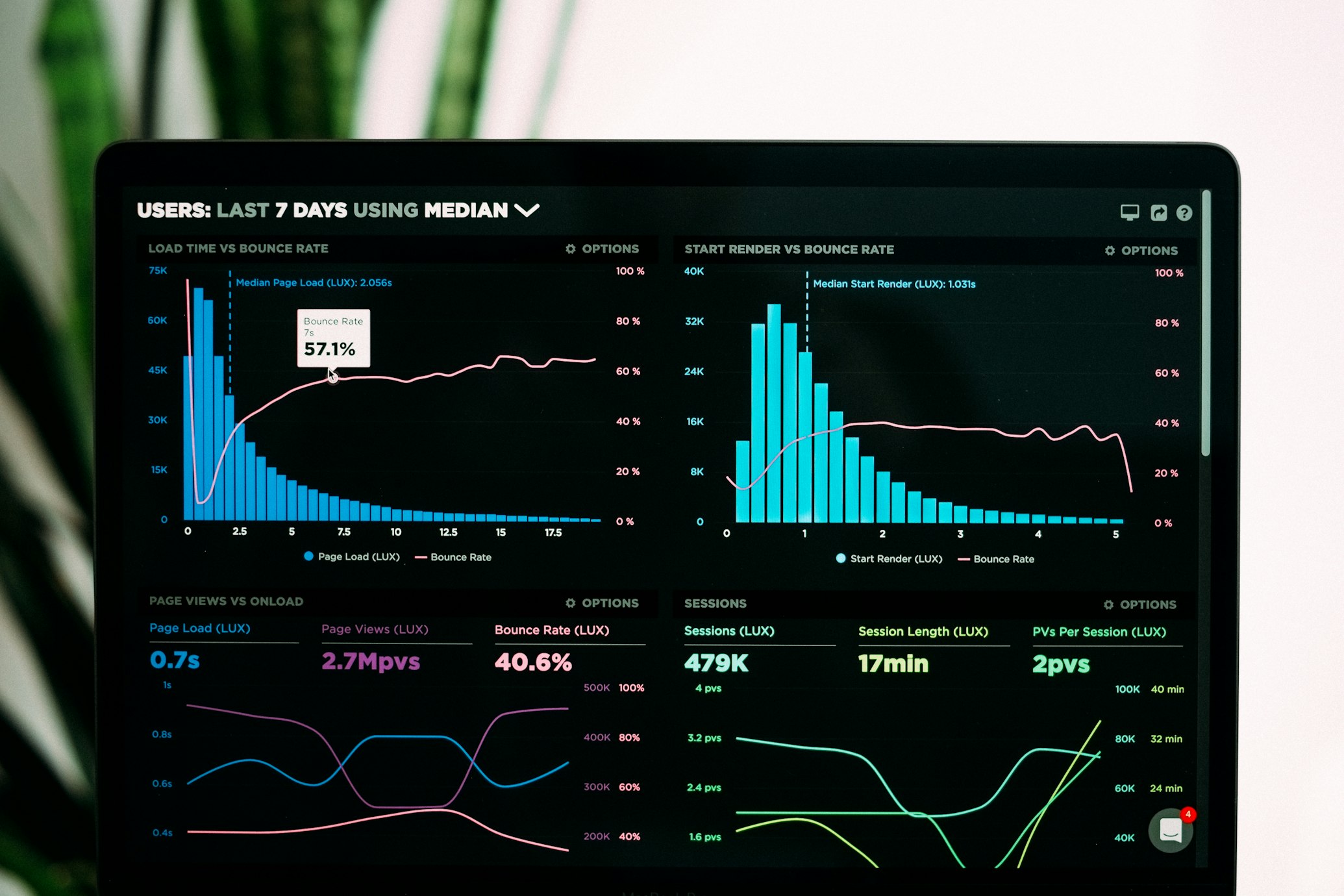
Practical application of this skill involves using data visualization tools like Tableau or Power BI to create dynamic dashboards that provide an at-a-glance view of supply chain health. A remote manager might build a custom dashboard that tracks key performance indicators (KPIs) such as On-Time In-Full (OTIF) delivery rates, inventory turnover, and freight cost per unit across different regions. More advanced skills include a basic understanding of predictive and prescriptive analytics. Using historical data, a manager could forecast demand spikes for specific products and adjust inventory levels at regional hubs accordingly, or use optimization models to determine the most cost-effective shipping mode and route amidst fluctuating fuel prices and carrier capacity. This analytical acumen turns the remote supply chain manager into a strategic planner, moving from reactive firefighting to proactive, data-driven decision-making.
Asynchronous Communication and Virtual Collaboration
The absence of physical presence elevates communication from a soft skill to a strategic imperative. Remote supply chain management demands mastery in asynchronous communication—the art of conveying complex information clearly and completely without the expectation of an immediate response. This is essential when collaborating with teams, suppliers, and logistics partners across multiple time zones. A manager in New York sending a detailed update at the end of their day provides crucial context for a team in Singapore starting theirs. This requires exceptional written communication: emails must be structured, unambiguous, and contain all necessary information and attachments. The ability to create clear, concise, and visually engaging documentation, such as standard operating procedures (SOPs) for a new process or post-mortem analysis of a disruption, is invaluable.
Beyond writing, this skill extends to leveraging a suite of collaboration tools effectively. This means using platforms like Slack or Microsoft Teams not just for quick chats, but for structured channel-based discussions, storing key files, and integrating updates from other systems. It involves running highly productive virtual meetings on Zoom or Webex where agendas are shared beforehand, and action items are clearly documented and assigned at the end. A practical example is conducting a virtual “war room” session during a major supply disruption, using a shared digital whiteboard to map the problem, assign tasks, and track progress in real-time with stakeholders from three different continents. This level of virtual collaboration ensures alignment, maintains momentum, and builds trust within a distributed team.
A Proactive and Self-Managed Mindset
Remote work strips away the external structure of a physical office, placing the onus of discipline and organization squarely on the individual. For a remote supply chain manager, this necessitates a profoundly proactive and self-managed mindset. This is one of the most internally demanding future skills. It means creating and adhering to a rigorous personal workflow without managerial oversight. A manager must be adept at time management, using techniques like time-blocking to dedicate focused periods to deep analytical work, while also remaining available for urgent, synchronous communications.
This skill is characterized by extreme ownership and initiative. Instead of waiting to be told about a potential stockout, a proactive manager constantly monitors inventory levels against forecasted demand and raises a flag weeks in advance. They don’t just report a problem; they come to the table with two or three potential solutions, having already done the preliminary analysis. Self-management also encompasses continuous learning. The field of supply chain technology is evolving at a breakneck pace. A successful remote professional must independently seek out webinars, online courses, and industry publications to stay abreast of new software, regulations, and best practices. They are intrinsically motivated to improve their own processes and expand their skill set, understanding that their value is directly tied to their knowledge and output, not their physical presence.
Risk Intelligence and Supply Chain Resilience
The recent years have starkly illustrated the vulnerability of global supply chains. For a remote manager, who is physically detached from the operational front lines, the ability to anticipate, assess, and mitigate risk is not just a skill—it is a core function. This “risk intelligence” involves a constant, vigilant monitoring of the global landscape for potential disruptions. This includes geopolitical events, labor disputes, natural disasters, and even cyber-threats that could cripple digital infrastructure.
Developing future skills in this area means going beyond simple monitoring. It involves conducting formal risk assessments for critical supply routes and single-source suppliers. A manager might use scenario planning tools to model the impact of a port closure or a supplier bankruptcy, quantifying the potential financial and operational fallout. For example, a manager responsible for electronics components might identify a high dependency on a manufacturer in a seismically active region. Their risk intelligence would drive them to proactively audit and qualify an alternative supplier in a geographically distinct location, and perhaps even pre-negotiate terms to enable a rapid switch if needed. They build resilience into the network by advocating for and implementing strategies like multi-sourcing, strategic buffer stock, and nearshoring, ensuring the supply chain can withstand and rapidly recover from shocks, all while managing these complex strategies from a remote command center.
Conclusion
The future of remote supply chain management is not about simply transplanting an old role into a new setting. It represents a fundamental metamorphosis of the profession. The supply chain manager of tomorrow is a hybrid expert: part data scientist, part digital communicator, part strategic risk analyst, and entirely self-directed. By cultivating these future skills—deep digital fluency, advanced data literacy, masterful asynchronous communication, a proactive mindset, and sophisticated risk intelligence—professionals can not only adapt to this new reality but can thrive, leading more agile, resilient, and efficient supply chains from anywhere in the world.
💡 Click here for new business ideas
Leave a Reply