
📚 Table of Contents
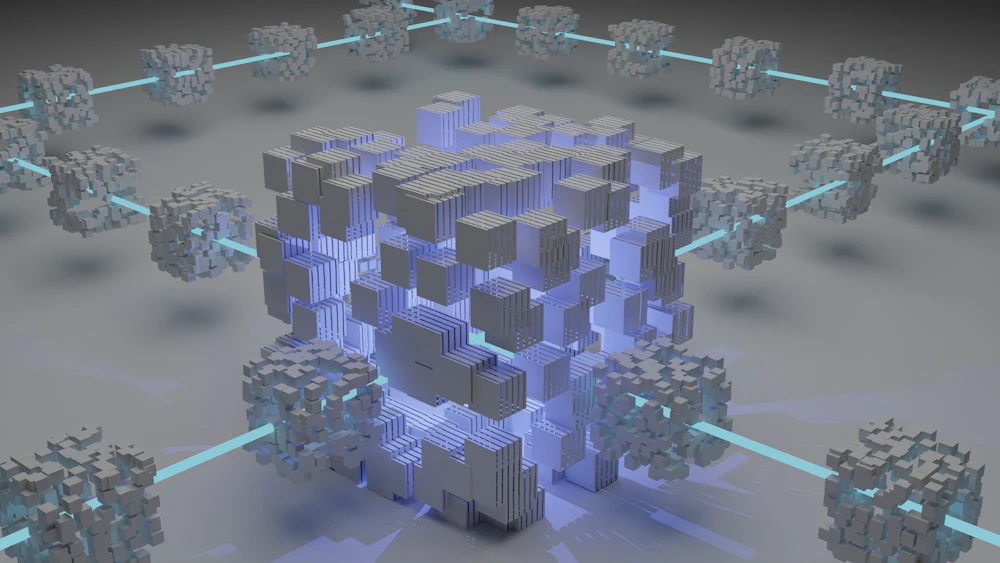
Have you ever wondered how a simple digital image can be sold for millions of dollars, or how you can truly own a piece of the internet? The world of NFTs and digital assets is reshaping our understanding of value, ownership, and creativity in the digital age. It’s a landscape filled with immense opportunity, but also with complexity and risk. Whether you’re a curious newcomer looking to make your first purchase or a seasoned pro aiming to refine your strategy, navigating this space requires knowledge, caution, and a clear plan. This comprehensive guide will provide essential tips for both beginners and experts to thrive in the dynamic ecosystem of NFTs and digital assets.
What Exactly Are NFTs and Digital Assets?
At its core, a Non-Fungible Token (NFT) is a unique digital certificate of ownership recorded on a blockchain, which is a decentralized and secure digital ledger. The term “non-fungible” is the key differentiator. Unlike money, where one dollar is identical and interchangeable with another, each NFT is one-of-a-kind and cannot be directly replaced by another token. This uniqueness is what allows digital items—art, music, videos, virtual real estate, and even tweets—to be authenticated, owned, and traded as distinct assets. Think of it as the digital equivalent of a signed original painting versus a mass-produced poster. Anyone can view or download the image file, but only one person can own the verified original. Digital assets, in a broader sense, encompass not just NFTs but any form of value that exists in a digital format, including cryptocurrencies, tokenized real-world assets, and in-game items. The power of NFTs lies in their ability to confer provable scarcity and authenticity to anything digital, creating new economic models for creators and new forms of collectibles for enthusiasts.
Getting Started: Your First Steps into the NFT World
For beginners, the initial foray into NFTs can be daunting. The first and most critical step is education. Before spending any money, dedicate time to understanding the underlying technology, the major marketplaces, and the culture of the communities you’re interested in. Start by setting up a self-custody crypto wallet like MetaMask or Phantom. This wallet is your identity and bank vault in the Web3 space; it holds your cryptocurrencies (like Ethereum or Solana, used for transactions) and your NFTs. Never share your seed phrase—the series of words used to recover your wallet—with anyone. Ever. Next, fund your wallet with a small amount of cryptocurrency purchased from a reputable exchange. Begin by exploring different marketplaces such as OpenSea, Blur, or Magic Eden. Don’t feel pressured to buy immediately. Use the “watch” or “favorite” features to track projects and see how their prices and trading volumes fluctuate over time. When you’re ready to make your first purchase, start small. Look for projects with strong, transparent communities on Discord and Twitter, a clear roadmap, and art that you genuinely appreciate. The goal of your first few acquisitions should be learning the process, not making a profit. Remember, gas fees—the cost to process transactions on the blockchain—can be significant, so factor those into your budget.
Advanced Strategies for Seasoned NFT Collectors
For those who have moved past the basics, the game changes from simple collecting to strategic portfolio management and alpha hunting. One powerful strategy is “blue-chip” investing, which involves acquiring assets from established, historically resilient projects like CryptoPunks, Bored Ape Yacht Club, or Art Blocks. These are considered the digital equivalent of fine art or vintage cars and are often seen as a store of value. Another advanced tactic is focusing on utility. Look for NFTs that offer more than just a profile picture; seek out projects that provide access to exclusive events, intellectual property rights, revenue-sharing models, or playable assets in video games. This added utility can drive long-term demand beyond mere speculation. Seasoned pros also master the art of “flipping”—buying and selling NFTs for short-term gains. This requires a deep understanding of market cycles, minting mechanics, and real-time sentiment analysis within community channels. Furthermore, consider exploring fractional ownership platforms, where you can buy a share of a high-value NFT, or diving into the world of decentralized finance (DeFi) protocols that allow you to use your NFTs as collateral for loans, unlocking liquidity from your otherwise static assets.
Non-Negotiable Security and Safety Practices
In the high-stakes world of NFTs and digital assets, security is not an option; it’s a fundamental requirement. The decentralized nature of blockchain means there is no customer service hotline to call if you make a mistake. The first line of defense is your wallet. Use a hardware wallet like a Ledger or Trezor for storing significant assets. These devices keep your private keys offline, making them immune to online hacking attempts. Always double-check website URLs and contract addresses. Scammers often create fake sites that look nearly identical to legitimate marketplaces. Be extremely wary of unsolicited direct messages (DMs) offering “limited-time deals” or asking you to “verify your wallet.” These are almost always phishing attempts. When interacting with a smart contract—for example, to mint an NFT—manually review the transaction details in your wallet pop-up. Does the contract address match the official project announcement? Are you being asked to grant unreasonable permissions? Never sign a transaction you don’t understand. Finally, practice good digital hygiene: use unique, strong passwords and enable two-factor authentication on all your exchange and social media accounts. Your vigilance is the price of admission for safeguarding your digital assets.
The Future of NFTs and Digital Ownership
The potential of NFTs and digital assets extends far beyond profile pictures and digital art. We are standing at the precipice of a fundamental shift in how we interact with digital and physical property. One of the most promising areas is the tokenization of real-world assets (RWAs). Imagine your house deed, car title, or stock certificates being represented as an NFT on a blockchain, enabling instant, transparent, and secure transfers without intermediaries. In the gaming industry, true digital ownership is becoming a reality, where the swords, skins, and characters you earn or purchase are verifiably yours and can be traded on open marketplaces, creating player-driven economies. The music and entertainment industries are also being revolutionized, with artists releasing albums and granting special access as NFTs, allowing them to connect directly with fans and capture a larger share of revenue. As technology evolves with layer-2 scaling solutions making transactions faster and cheaper, and as regulatory frameworks become clearer, the integration of NFTs into our daily lives will only deepen, making an understanding of these tips for managing NFTs and digital assets not just beneficial, but essential.
Conclusion
The journey through the world of NFTs and digital assets is one of continuous learning and adaptation. From the beginner taking their first cautious steps with a new crypto wallet to the professional trader leveraging complex DeFi strategies, the core principles remain the same: prioritize education, exercise extreme caution with security, and focus on building a portfolio that aligns with your interests and risk tolerance. This dynamic space is more than a speculative market; it’s the foundation for a new era of digital interaction and ownership. By applying the insights and strategies discussed, you can navigate this exciting frontier with greater confidence and purpose.
💡 Click here for new business ideas
Leave a Reply