
📚 Table of Contents
You’ve just finished a quick data categorization task, and another one pops up. Then a survey. Then a transcription snippet. Before you know it, three hours have passed, your screen is a chaotic mess of browser tabs, and you’re not entirely sure how much you’ve actually earned. Does this sound familiar? For the modern microtask gig work freelancer, the biggest challenge isn’t finding work—it’s managing the relentless, fragmented stream of it. How do you transform this digital whirlwind into a structured, profitable, and sustainable career?
Navigating the Microtask Maze: Why Time Slips Away
Microtasking platforms like Amazon Mechanical Turk, Clickworker, and Appen offer unparalleled flexibility, but they are designed in a way that can be inherently hostile to effective time management. The work is often low-context, repetitive, and available in unpredictable bursts. The “just one more task” mentality is a powerful trap, leading to hours of unproductive work without a clear sense of accomplishment or earnings. Furthermore, the constant context-switching between different types of tasks—from image annotation to audio transcription to survey completion—creates significant cognitive load. Your brain expends energy just reorienting itself each time, which drastically reduces overall efficiency and can lead to mental fatigue and burnout much faster than in traditional freelance roles. Understanding these inherent challenges is the first step to building a defensive strategy against them.
The Foundation of Control: Your Central Command Center
Before you can manage your time, you must first manage your work. Operating across multiple platforms without a central system is a recipe for chaos. Your first investment of time should be in creating a “Freelancer Command Center.” This doesn’t need to be complex; a simple spreadsheet is a powerful starting point. Create columns for: Platform, Task Type, Time Allotted, Time Actual, Earnings, and Status (Available, In Progress, Completed, Paid). The critical practice here is time tracking. For one week, meticulously log how long each microtask *actually* takes you, not just the estimated time. You will quickly identify which tasks are truly profitable on an hourly basis and which are time sinks. For example, you might discover that a 10-cent data entry task takes you two minutes, equating to $3/hour, while a 50-cent survey that takes five minutes equates to $6/hour. This data is your most valuable asset. It allows you to make informed decisions, filtering out low-yield work and focusing your energy on the microtasks that offer the best return on your time investment.
Mastering the Art of Batching
Batching is the single most effective technique for a microtask gig work freelancer to reclaim time. Instead of hopping randomly from a transcription task to a categorization task and back, you group similar tasks together and complete them in a dedicated time block. The principle is to minimize the mental cost of context switching. When your brain is in “transcription mode,” it becomes efficient at the specific skills and focus required. Switching to “image tagging mode” forces a complete cognitive shift, which wastes time and mental energy. A practical implementation of batching could look like this: Dedicate your first hour of the day exclusively to data categorization tasks from Platform A. The next 90 minutes are for completing all available surveys on Platform B. The post-lunch slot is reserved for audio transcription tasks. By batching, you create a rhythm and flow that dramatically increases your speed and accuracy within each task type, leading to higher earnings and less mental exhaustion.
The Power of Time Blocking
While batching organizes your tasks, time blocking organizes your day. This is where you move from being reactive (waiting for tasks to dictate your schedule) to being proactive (dictating when you will work and on what). As a microtask freelancer, you must treat your work like a business. Open your calendar and block out specific, non-negotiable hours for work. But don’t just block “work.” Be specific. For example: 9:00 AM – 10:30 AM: Batch data entry tasks. 11:00 AM – 12:00 PM: Platform scouting and qualification tests. 1:00 PM – 3:00 PM: Batch transcription work. 3:30 PM – 4:30 PM: Admin, invoicing, and tracking. Crucially, you must also schedule your breaks and your stop time. The flexibility of gig work can easily lead to overwork. By time blocking, you create a clear structure that protects you from the “always-on” trap, ensures you take necessary rest, and provides a definitive end to your workday, which is vital for maintaining a healthy work-life balance.
Setting Boundaries and Taking Breaks
The nature of microtasking can create a compulsive work behavior. The constant refresh of a task queue, the fear of missing out on a high-paying batch, and the ease of “just doing one more” can lead to prolonged, unbroken work sessions that are detrimental to both productivity and well-being. This is where the Pomodoro Technique becomes a lifesaver. Work in focused, uninterrupted sprints of 25 minutes, followed by a mandatory 5-minute break. After four cycles, take a longer break of 15-30 minutes. During your 5-minute breaks, physically step away from your screen. Stretch, get a glass of water, look out a window. This prevents repetitive strain injuries and eye strain and gives your brain a moment to reset. Furthermore, set a hard daily earnings goal or time limit. Once you hit that target, log out of all platforms. This psychological trick transforms your work from an endless grind into a achievable daily mission, providing a sense of closure and accomplishment.
Leveraging Technology for Peak Efficiency
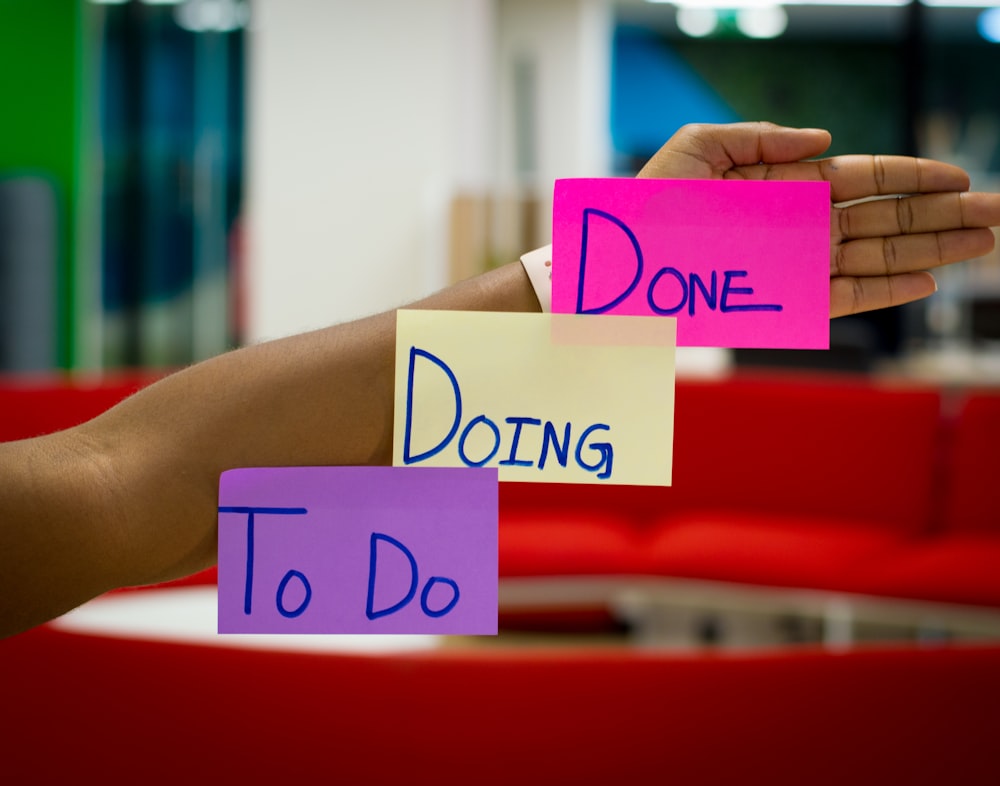
While the platforms themselves can be a source of distraction, the right technology can be a powerful ally in your quest to manage your time as a microtask gig work freelancer. Use browser extensions to block distracting websites like social media during your focused work blocks. Tools like StayFocusd or Freedom can be configured to lock you out of time-wasting sites during your scheduled work hours. Utilize project management tools like Trello or Notion to create a visual workflow for your batches. You can have columns for “Tasks Available,” “In Progress Today,” “Completed – Awaiting Payment,” and “Paid.” Automate what you can. Use text expander tools for common responses or data entries. The goal is to offload as much mental overhead as possible onto systems and tools, freeing up your cognitive resources for the actual tasks that require human judgment and skill.
Conclusion
Excelling as a microtask gig work freelancer is not about working more hours; it’s about working smarter within the hours you have. By moving from a reactive to a proactive approach—through meticulous tracking, strategic batching, disciplined time blocking, and the intelligent use of technology—you can transform a potentially chaotic and overwhelming work style into a streamlined, profitable, and sustainable business. The control over your time and your income is ultimately in your hands, waiting to be seized through the implementation of a deliberate and structured system.
💡 Click here for new business ideas
Leave a Reply