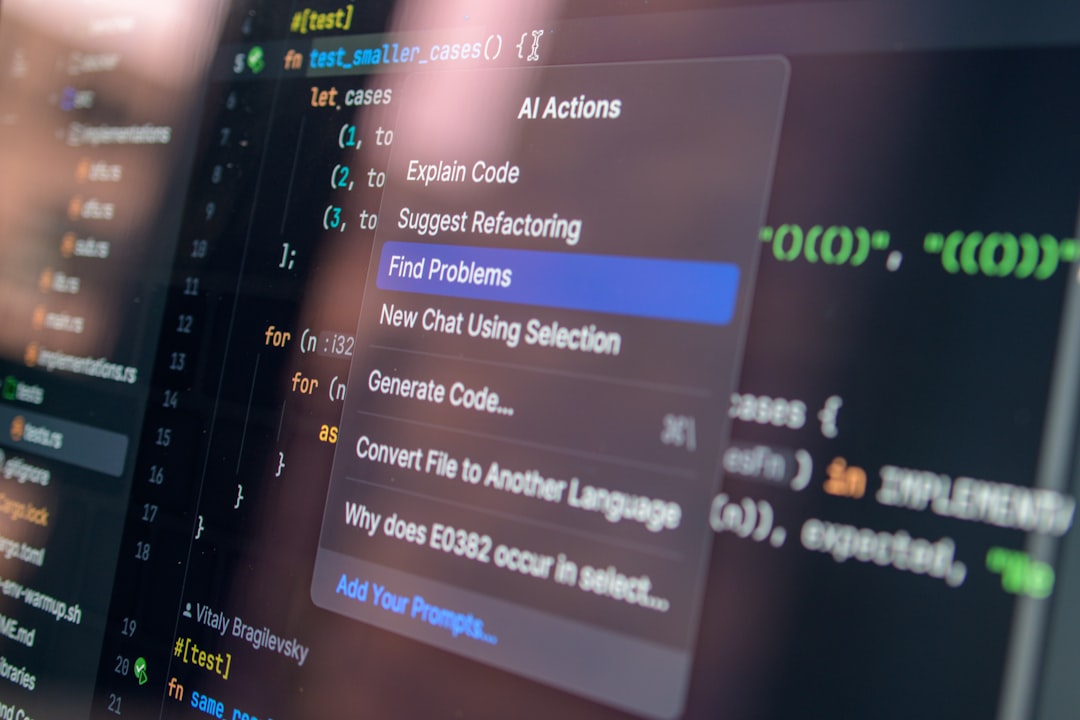
In an era where digital adversaries are constantly evolving, how do organizations stay one step ahead of sophisticated cyber attacks? The answer lies not just in defensive walls, but in proactive hunters who venture into the digital wilderness to track and neutralize threats before they cause harm. This elite group, known as cybersecurity threat hunters, requires a unique and potent blend of technical prowess, analytical thinking, and strategic insight. The role transcends traditional security operations; it demands a mindset of curiosity, persistence, and a deep understanding of the adversary. For professionals aiming to excel on this global stage, mastering a core set of skills is not just beneficial—it’s essential for survival and success.
📚 Table of Contents
- ✅ 1. A Deep Analytical and Curious Mindset
- ✅ 2. Advanced Network Forensics and Traffic Analysis
- ✅ 3. Endpoint Detection and Response (EDR) Mastery
- ✅ 4. Strategic Threat Intelligence Application
- ✅ 5. Scripting and Automation Proficiency
- ✅ 6. In-Depth Knowledge of Adversary Tactics, Techniques, and Procedures (TTPs)
- ✅ 7. Cloud Security Architecture and Monitoring
- ✅ 8. Incident Response and Forensic Investigation Skills
- ✅ 9. Exceptional Communication and Storytelling
- ✅ 10. A Commitment to Continuous Learning and Adaptability
- ✅ Conclusion

A Deep Analytical and Curious Mindset
At the very core of threat hunting lies an insatiable curiosity and a systematic analytical approach. Unlike automated alerts, threat hunting begins with a hypothesis—a “what if” scenario based on an understanding of the environment, current threat landscapes, or even a subtle anomaly that seems out of place. A global cybersecurity threat hunting professional must be able to sift through mountains of data, discerning patterns from noise. This involves critical thinking to ask the right questions: “Why did this process spawn a child at this unusual time?” or “What is the normal baseline for this user’s behavior, and how does this activity deviate?” It’s a skill akin to digital detective work, where the hunter connects disparate data points—a failed login from a new geography, a suspicious PowerShell command execution, an unusual outbound connection—to form a coherent narrative of potential malicious activity. This mindset is not something easily automated; it requires human intuition, creativity, and the tenacity to follow a lead even when it grows cold.
Advanced Network Forensics and Traffic Analysis
Understanding the flow of data across a network is fundamental. Threat hunters must be adept at using tools like Wireshark, Zeek (formerly Bro), and network flow analyzers to examine packet captures and metadata. This skill goes beyond identifying malicious IP addresses; it involves reconstructing sessions, understanding protocol nuances, and spotting covert channels or data exfiltration attempts. For instance, a hunter might notice DNS queries for randomly generated subdomains, a classic sign of a DNS tunneling attack, or detect beaconing behavior where a compromised host calls out to a command-and-control server at regular intervals. In a global context, this also means understanding how traffic patterns differ across regions and business units to accurately identify anomalies that signify a true threat versus normal operational variance.
Endpoint Detection and Response (EDR) Mastery
The endpoint—be it a server, laptop, or mobile device—is where adversaries ultimately execute their objectives. Proficiency with EDR platforms like CrowdStrike Falcon, Microsoft Defender for Endpoint, or SentinelOne is non-negotiable for modern threat hunters. These tools provide deep visibility into process trees, registry changes, file system activity, and memory. A skilled hunter uses EDR to perform granular searches across the entire estate, looking for indicators of compromise (IoCs) and, more importantly, indicators of attack (IoAs). For example, they might hunt for processes that inject code into legitimate Windows binaries like lsass.exe (a technique used for credential dumping) or for unsigned DLLs loaded into critical system processes. Mastery involves not just using the GUI but often leveraging the query languages (like KQL or Splunk SPL) these platforms support to create precise, wide-ranging detection logic.
Strategic Threat Intelligence Application
Threat intelligence is the fuel for effective hunting. However, the skill lies not in merely consuming feeds of IoCs (which can lead to alert fatigue) but in applying intelligence strategically. This means understanding the relevance of a threat actor group to your specific industry and geography, analyzing their latest TTPs, and then proactively searching for those behaviors within your environment. A global cybersecurity threat hunting professional must be able to differentiate between tactical (IoCs), operational (TTPs), and strategic (actor motivations, geopolitical context) intelligence. For instance, if intelligence reports indicate that a financially motivated group is targeting the financial sector in Europe with a new phishing lure, a hunter in a global bank would craft hypotheses and searches specifically for that lure, the associated malware payload, and the subsequent lateral movement patterns associated with that group.
Scripting and Automation Proficiency
To scale their efforts across a global organization, threat hunters must automate repetitive tasks. Proficiency in a scripting language like Python or PowerShell is crucial. Python is invaluable for data analysis, interacting with APIs of security tools, parsing logs, and building custom tools. PowerShell, deeply integrated into Windows environments, is essential for both understanding attacker techniques (as adversaries heavily use it) and for automating response actions or data collection across endpoints. A hunter might write a Python script to correlate firewall logs with EDR alerts, or a PowerShell script to quickly pull specific registry keys from a suspect machine across an entire continent. This skill transforms a hunter from someone who manually investigates single machines into a force multiplier who can orchestrate hunts across thousands of assets.
In-Depth Knowledge of Adversary Tactics, Techniques, and Procedures (TTPs)
To find an adversary, you must think like one. This requires a deep, practical understanding of frameworks like the MITRE ATT&CK® Framework, which catalogs the myriad ways attackers operate. A top-tier hunter doesn’t just know the names of techniques; they understand how they are chained together in real-world attacks. They study living-off-the-land binaries (LOLBins), understand privilege escalation methods, and recognize persistence mechanisms. For example, they know that an attacker who gains initial access via phishing might use PowerShell for execution, attempt to dump credentials via Mimikatz, establish persistence via a scheduled task, and then use PsExec for lateral movement. A hunter uses this knowledge to construct hypothesis-driven searches that look for these specific sequences of behavior, regardless of the malware or tools used, making their hunts far more effective against novel or polymorphic threats.
Cloud Security Architecture and Monitoring
With the massive shift to cloud infrastructure (IaaS, PaaS, SaaS), the attack surface has dramatically changed. A global threat hunter must be fluent in cloud security concepts for platforms like AWS, Azure, and Google Cloud. This includes understanding identity and access management (IAM) misconfigurations, insecure storage buckets, cloud trail and audit log analysis, and container security. An attacker might not deploy malware on a server; they might leverage a compromised API key to spin up cryptocurrency mining instances or exfiltrate data from a misconfigured S3 bucket. Hunters need to know how to collect and analyze cloud-native logs, understand normal versus anomalous cloud API activity, and hunt for threats in serverless environments, which operate very differently from traditional networks.
Incident Response and Forensic Investigation Skills
Threat hunting and incident response are two sides of the same coin. When a hunt uncovers a confirmed threat, it escalates into an incident. Therefore, hunters need strong incident response skills to contain, eradicate, and recover from the threat. This includes live forensic techniques: capturing volatile memory, analyzing disk images, timeline analysis, and understanding artifact locations on different operating systems. They must know how to collect evidence in a forensically sound manner to support potential legal action. Furthermore, they play a critical role in the post-incident phase, helping to identify root causes and gaps in defenses to prevent recurrence, thus closing the loop in the security lifecycle.
Exceptional Communication and Storytelling
Technical skills are useless if findings cannot be communicated effectively. A threat hunter must translate complex, technical details into clear, actionable intelligence for diverse audiences. They need to write comprehensive reports for technical teams, executive summaries for leadership, and potentially brief legal or compliance departments. The skill of “storytelling”—weaving the narrative of the attack, from initial access to impact—is vital to convey urgency and secure resources for remediation. In a global team, this also involves cross-cultural communication and collaboration, sharing findings with peers in different time zones to ensure a coordinated defense.
A Commitment to Continuous Learning and Adaptability
The cybersecurity landscape is in constant flux. New vulnerabilities (like Log4Shell), novel attack vectors, and evolving adversary tools emerge daily. The most essential skill for a global cybersecurity threat hunting professional is, therefore, a relentless commitment to learning. This means regularly reading threat reports, participating in capture-the-flag (CTF) exercises, attending conferences, taking advanced training courses, and experimenting in lab environments. Adaptability is key; the tools and techniques that work today may be obsolete tomorrow. A successful hunter embraces this change, constantly refining their craft and staying curious about the “how” and “why” behind every new threat.
Conclusion
Becoming a world-class cybersecurity threat hunting professional is a journey of continuous skill development and practical application. It demands a unique fusion of deep technical knowledge, sharp analytical thinking, and the soft skills needed to communicate and collaborate on a global scale. From dissecting network packets and endpoint memory to strategically applying threat intelligence and automating hunts in the cloud, the modern hunter is a versatile and critical defender. In the relentless battle against cyber adversaries, these ten essential skills form the foundation upon which proactive security postures are built, enabling organizations to not just respond to threats, but to actively seek and destroy them before they can achieve their malicious goals.
Leave a Reply